DESCRIPTION
Herrera del Duque, located in the heart of the Biosphere Reserve of La Siberia, has historically maintained a close relationship with water. The abundance of springs, public fountains and livestock watering pillars forms an inseparable part of the town’s identity and explains both the urban development of the municipality and many of its traditional, agricultural and livestock-related uses.
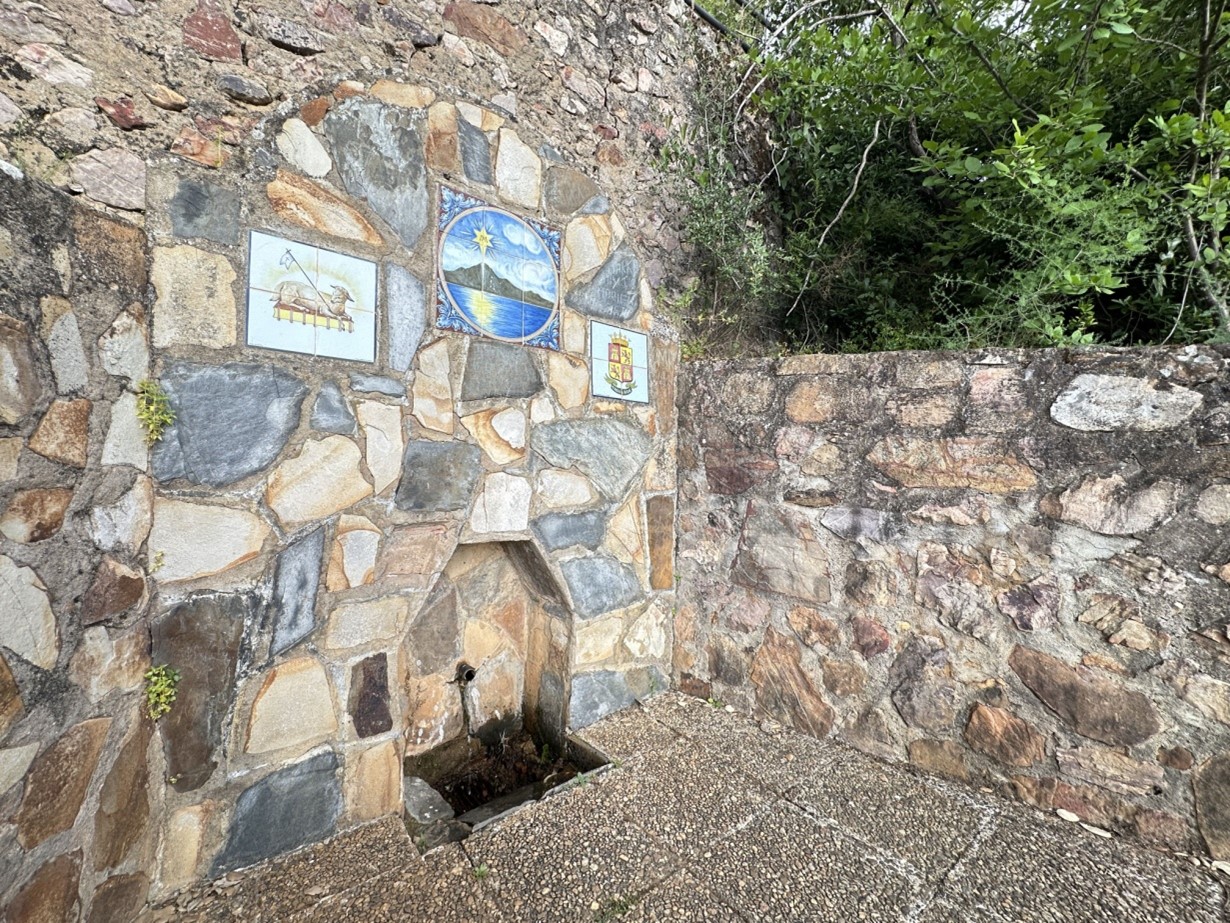
Throughout the municipal area there are numerous historic fountains, watering pillars and springs linked to human water supply, the resting of travellers and animals, domestic tasks and agricultural use. Some are located within the urban centre, while others are scattered among dehesas, paths, ancient transhumance routes and recreational areas.
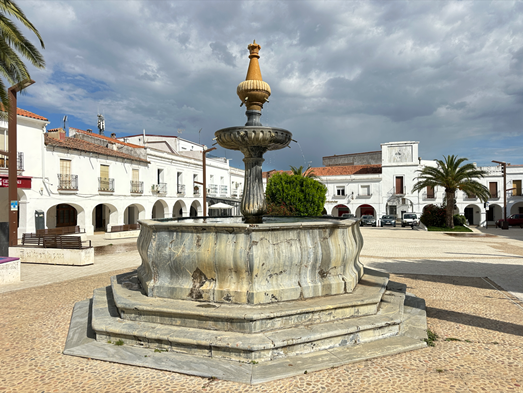
Among all of them, the ochavada fountain in Plaza de España stands out in particular. Built in black jasper, it is considered one of the most recognisable heritage elements of the historic centre. Also noteworthy are the historic pilaritos of Consolación and Santo Domingo, linked to former washing areas and neighbourhood meeting places, as well as the spring of Las Jaras, whose waters continue to have significant economic and environmental use.
The traditional fountain system of Herrera del Duque also constitutes a valuable example of popular hydraulic architecture, combining functionality, landscape integration and the sustainable use of natural resources.
HISTORY
The fountains and watering pillars of Herrera del Duque have played an essential role in the daily life of the municipality for centuries. Before the arrival of modern supply networks, these sites were used for domestic consumption, filling water jars, washing clothes, supplying livestock and providing rest for walkers and animals.
Many of these structures were associated with old rural paths and livestock routes that connected Herrera with Peloche, Fuenlabrada de los Montes, Castilblanco or the dehesa and woodland areas near the Guadiana.
The surroundings of the Pilarito de Consolación were especially significant, as there were formerly ponds and areas used by the women of Herrera to do the laundry, turning the place into a space of social coexistence and communal work.
The existence of numerous rural fountains also demonstrates the historical importance of extensive livestock farming and the traditional use of the territory. The watering pillars served as drinking troughs for transhumant livestock and for animals used in agricultural work.
Within the urban centre, some fountains also acquired monumental and representative value. This is the case of the 18th-century ochavada fountain located in Plaza de España, made of black jasper and, over time, transformed into one of the heritage symbols of the locality.
HISTORICAL AND ARTISTIC DESCRIPTION
The traditional hydraulic ensemble of Herrera del Duque is made up of thirteen main fountains and watering pillars distributed between the urban centre, recreational areas and rural spaces of the municipality.
1. Pilarito de Santo Domingo
Located in Parque de Santo Domingo, next to the Fuenlabrada road, this traditional ensemble combines a fountain and a trough. Historically, it was linked to water supply and to the passage of animals and travellers.
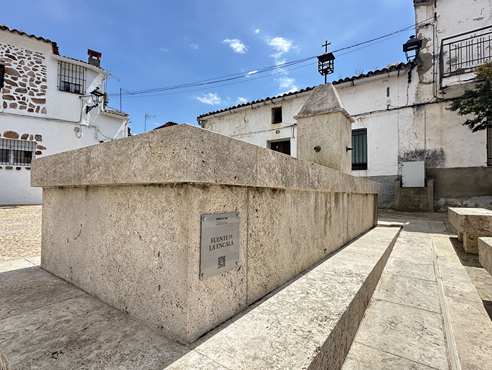
2. Fuente de la Encalá
Located in Plaza de la Encalá, within the urban centre, it constitutes one of the best-known traditional fountains of the historic quarter. Its presence is linked to the old urban layout of Herrera del Duque.
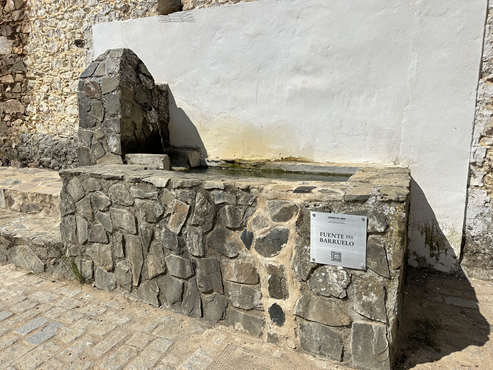
3. Fuente del Barruelo
Located on Barruelo Street, it is one of the historic fountains of the urban centre. Its surroundings preserve part of the traditional character of the former popular water supply areas.
4. Fuente de las Cinco Calles
Located at an important convergence of historic roads and streets, this fountain constitutes a traditional reference point within the urban and peri-urban layout of the municipality.
5. Pilarito de Consolación
It is located near Parque del Pilarito and the surroundings of the Ermita de Consolación. In addition to its heritage interest, it has important ethnographic value, since old ponds used for washing clothes once existed in its surroundings.
6. Pilarito Villa Miguel
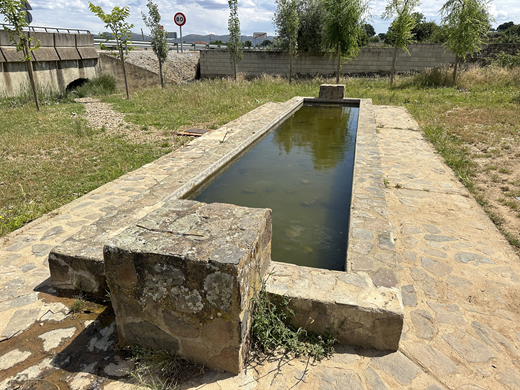
Associated with former agricultural and livestock areas of the municipality, this small hydraulic ensemble preserves the functional character of traditional rural watering pillars.
7. Pilar Grande de la Dehesa Boyal
Located in the Dehesa Boyal, it constitutes one of the main traditional livestock watering points in the municipal area. Its size and location reflect the historical importance of livestock activity in Herrera del Duque.
8. Fuente del Borbollón
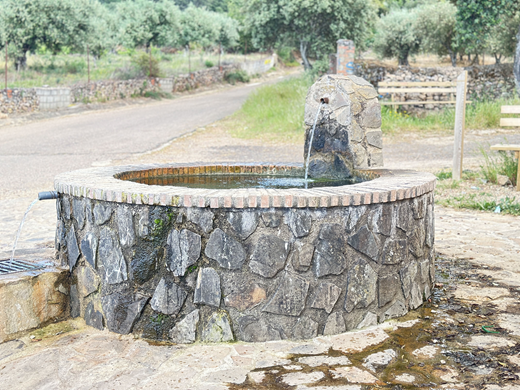
Located in the area of Las Navas, it probably takes its name from the constant bubbling or natural emergence of water. It is integrated into a landscape of great environmental interest.
9. Fuente El Cubo
Also located in Las Navas, it preserves the traditional typology of a rural fountain associated with livestock troughs and agricultural uses.
10. Fuente de Sotogordo
Traditional fountain also located in the area of Las Navas, historically linked to the use of rural water resources.
11. Pilar Ballesteros
Located next to the Peloche road and near the camping area, this watering pillar continues to form part of the traditional landscape at the entrance to the municipality’s natural surroundings.
12. Fuente de Plaza España
It is probably the most representative monumental fountain of Herrera del Duque. Located in Plaza de España or Plaza Mayor, it stands out for its 18th-century ochavada structure made of black jasper, becoming one of the municipality’s most singular heritage elements.
13. Fuente del Espino
Located next to the Ermita del Espino, in Peloche, this fountain is associated with an important traditional space of popular devotion and neighbourhood gathering.
SPRINGS AND WATER RESOURCES
In addition to the traditional fountains, Herrera del Duque has important natural springs. The Manantial de Las Jaras is especially significant, with waters that emerge among crystalline rocks and are known for their purity and quality. This water resource supplies a local bottling plant and its waters are marketed nationally. The abundance of springs, streams and water emergences explains the historic hydraulic wealth of the municipality and its close connection with the natural environment of La Siberia.
HERITAGE AND ETHNOGRAPHIC VALUE
The fountains and watering pillars of Herrera del Duque constitute ethnographic heritage of enormous value, as they reflect former ways of life linked to water, livestock farming and neighbourhood coexistence.
For generations, these spaces were places of everyday gathering, social exchange and collective work. Many of the stories, customs and memories of the local population are linked to these sites.
Today they form part of the cultural and landscape identity of the municipality, also being integrated into urban routes and rural trails that make it possible to discover the traditional hydraulic heritage of Herrera del Duque.