DESCRIPTION
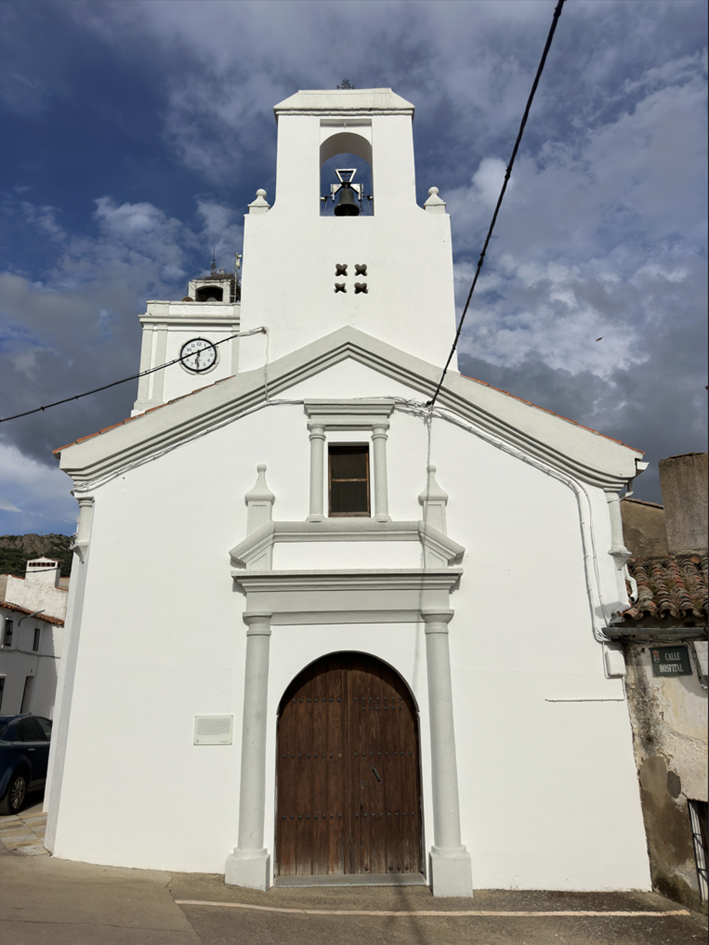
Religious building known as the Chapel of the Hospital de la Caridad or of the Sagrado Corazón de Jesús, and popularly referred to as “El Hospital”. It is a construction of Mudéjar tradition historically linked to a former hospital for poor and sick travelers located next to the Camino Real de la Mancha.
The building is one of the most representative historic structures in the municipality in relation to the former charitable and welfare functions carried out in the locality.
HISTORY
The chapel was linked to the former Hospital de la Caridad of Esparragosa de Lares, founded as a charitable institution intended to care for poor and sick travelers who journeyed along the Camino Real de la Mancha. The foundation of the complex is associated with León e Ibarra, Intendant General of Venezuela and member of the Council of State and the Regency, a figure historically connected to the patronage of the building.
The travelers’ hospital was established during the period of prosperity of the town, under the Order of Alcántara, around the 16th century. At that time—year 1557—Esparragosa de Lares had 50 more households than the locality of Castuera. The hospital disappeared following the disentailment process of 1836, leaving only the chapel standing. Subsequently, disputes arose regarding family patronage rights, which were resolved in 1846. The building underwent significant renovations and restorations, with an important intervention documented in 1791. Over time, the chapel became associated with the devotion to the Sagrado Corazón de Jesús, while popularly retaining the historic name of “El Hospital”.
HISTORICAL AND ARTISTIC DESCRIPTION
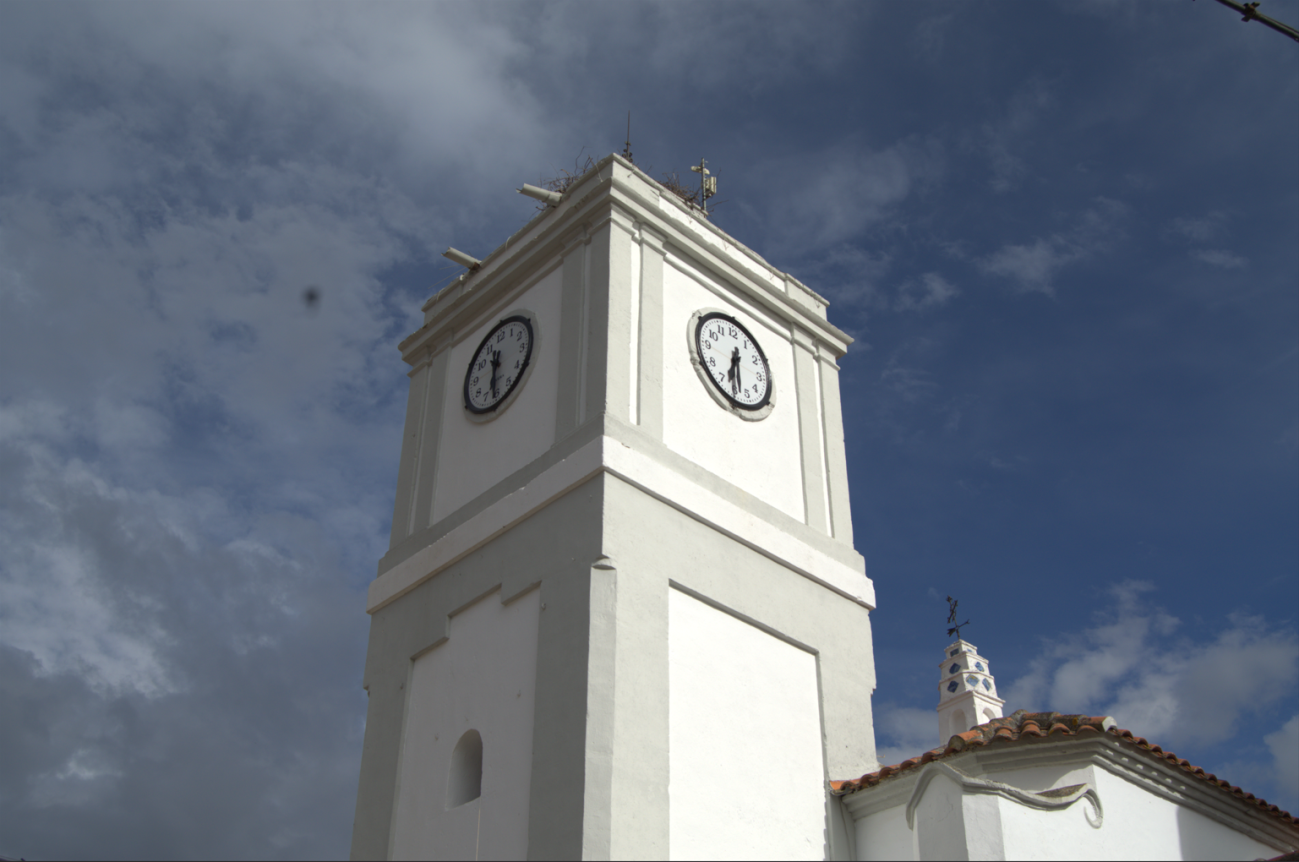
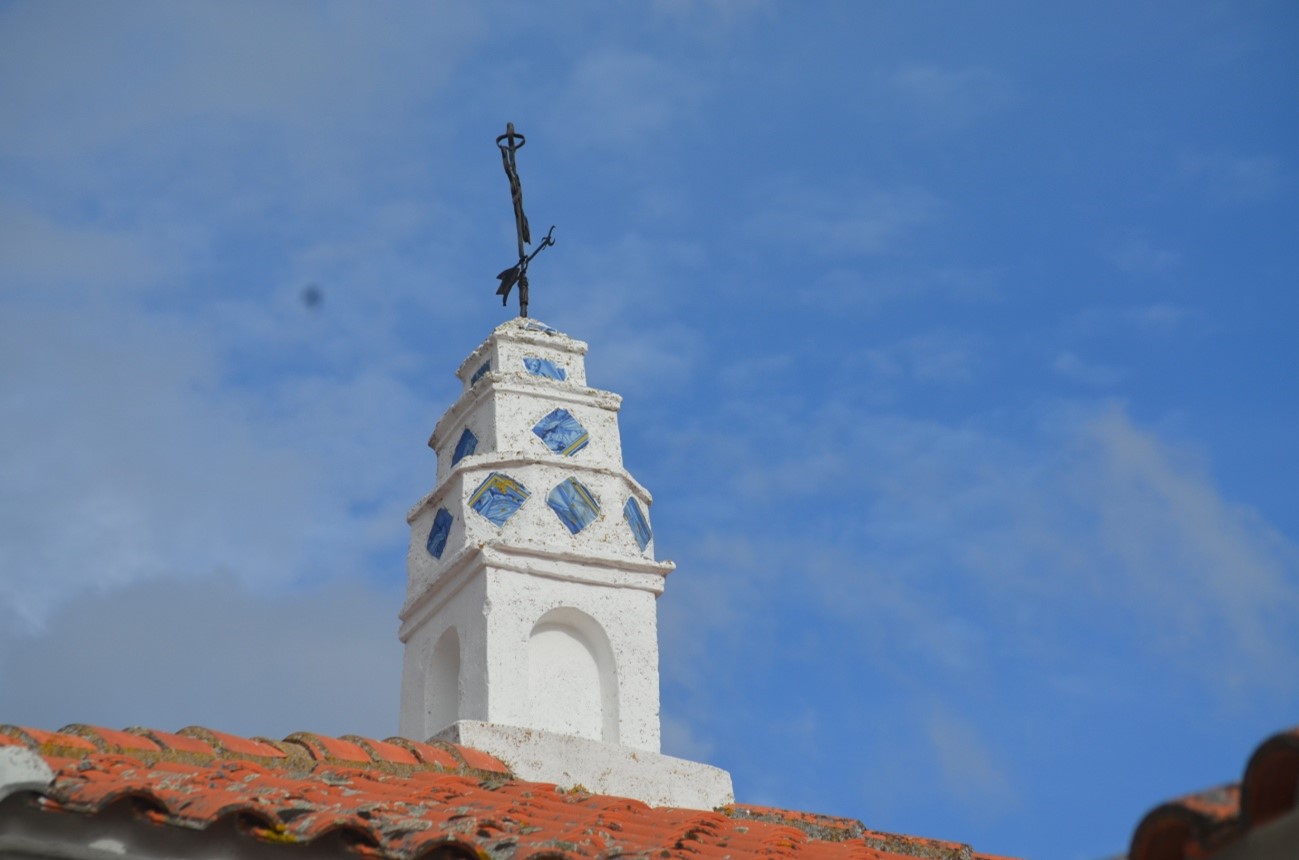
The chapel is a religious building of Mudéjar tradition, constructed using masonry and brickwork and externally reinforced with buttresses. The main entrance is located on the western side and features a semicircular arch flanked by side columns and topped with a broken pediment.
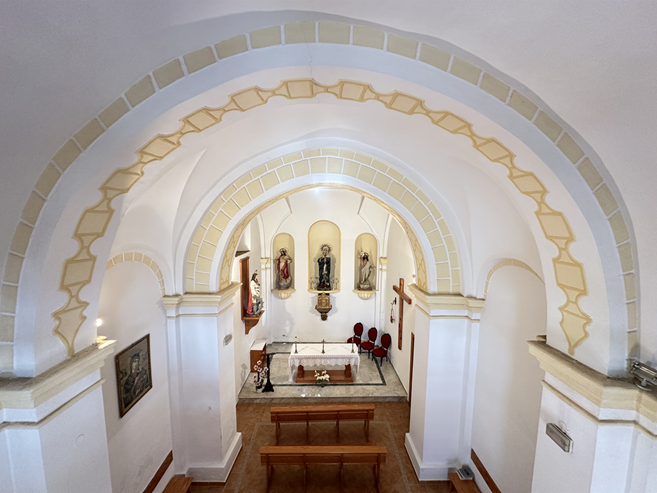
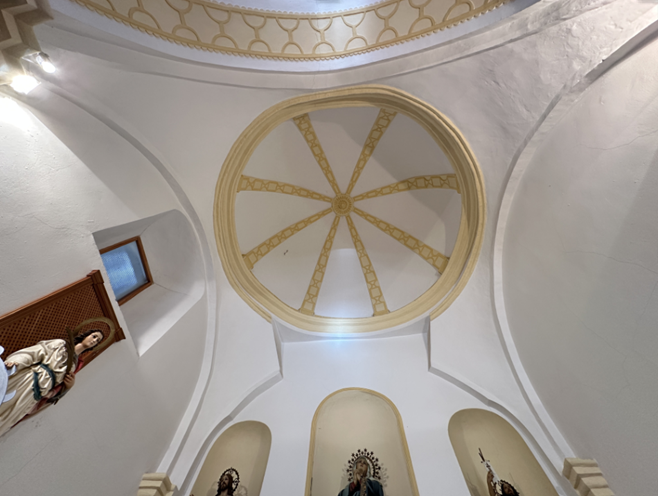
The interior is organized into a single nave divided into three bays covered by lunettes vaults. Above the main space stands an elliptical dome resting on pendentives.
The complex displays a sober and functional architecture characteristic of religious buildings associated with rural hospitals and charitable institutions.
FIGURES AND ENTITIES RELATED TO THE POI
The foundation of the Hospital de la Caridad was linked to León e Ibarra, Intendant General of Venezuela and member of the Council of State and the Regency. He is noted for having promoted, together with Juan Pérez Villamil, the Bando de Independencia or Bando de los Alcaldes de Móstoles, historically regarded as the document that initiated the Spanish War of Independence. In addition to serving as Intendant General of Venezuela, he was General Comptroller of the Americas and Minister of the Council of Spain and the Indies under the Supreme Central Junta, as well as a member of the Regency. The building maintained a historical connection with the charitable and welfare institutions of Esparragosa de Lares, as well as with the movement of travelers and sick people along the Camino Real de la Mancha. The chapel later became dedicated to the Sagrado Corazón de Jesús.
MOVABLE HERITAGE
The chapel preserves liturgical and religious elements associated with the worship historically carried out in the building and with the devotion to the Sagrado Corazón de Jesús.
INTANGIBLE HERITAGE
The popular name “El Hospital” preserves the historical memory of the former charitable and healthcare institution that operated beside the chapel.
The building remains associated in local tradition with the former welfare activities directed toward poor and sick travelers who journeyed along the Camino Real de la Mancha.