DESCRIPTION
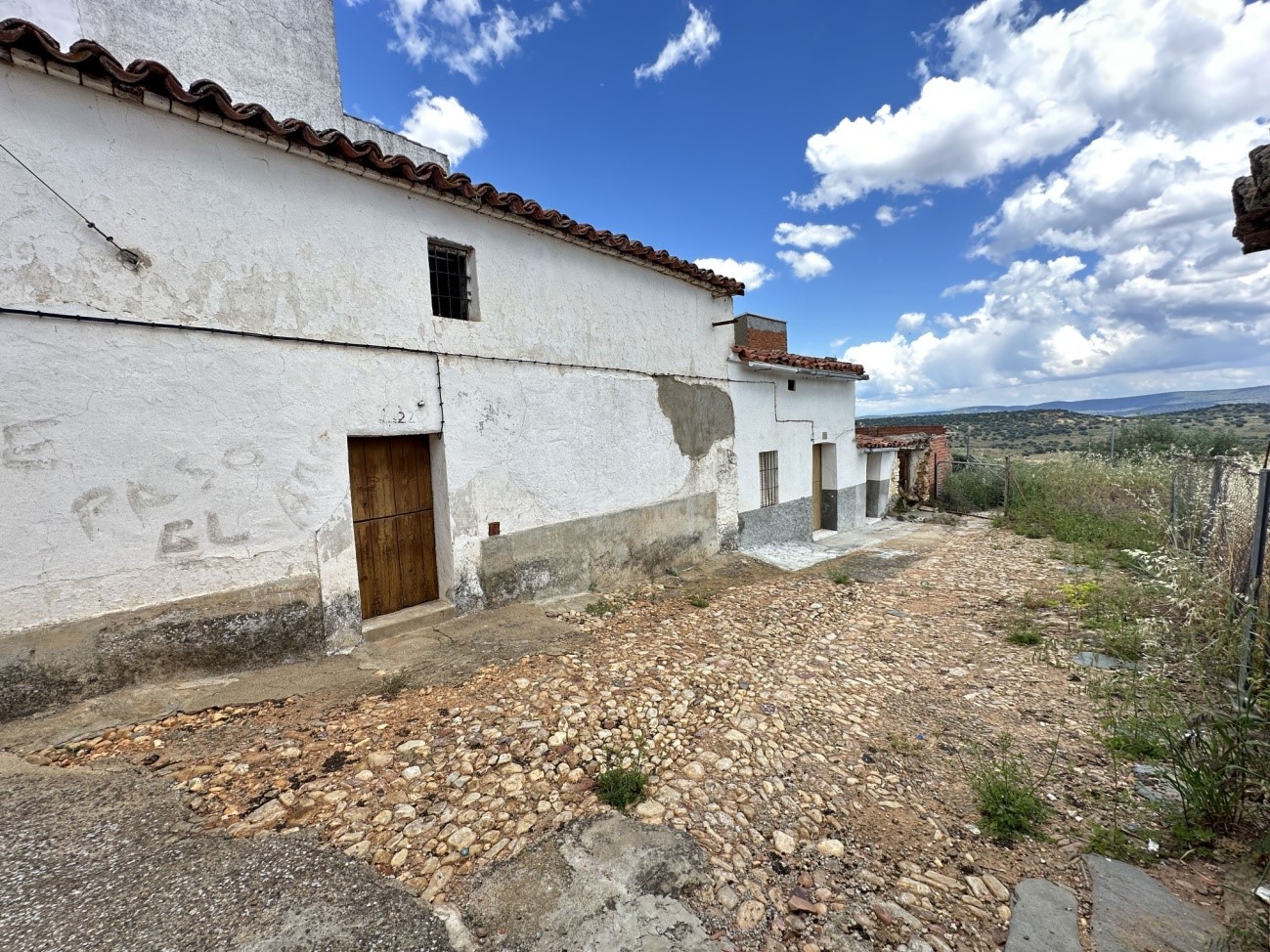
Group of traditional neighbourhoods in Castilblanco, Picocerro and El Perchel, which preserve the characteristic popular architecture of the La Siberia region, forming an area of high ethnographic and landscape value in direct connection with the rural environment.
HISTORY
The neighbourhoods of Picocerro and El Perchel formed part of the historical development of the urban centre of Castilblanco, linked to a traditional economy based on agriculture and livestock farming. Their layout responded to a growth model adapted to the topography of the hill on which the town stands, resulting in a network of narrow streets and functional dwellings. These areas reflected a way of life in which housing and productive activity were closely connected, as evidenced by the typology of the houses, designed to accommodate both families and animals and farming tools.
Over time, the construction of new buildings has meant that only some of the homes in these neighbourhoods retain much of their original appearance, becoming a testimony to traditional rural life and one of the municipality’s main identity elements.
HISTORICAL AND ARTISTIC DESCRIPTION
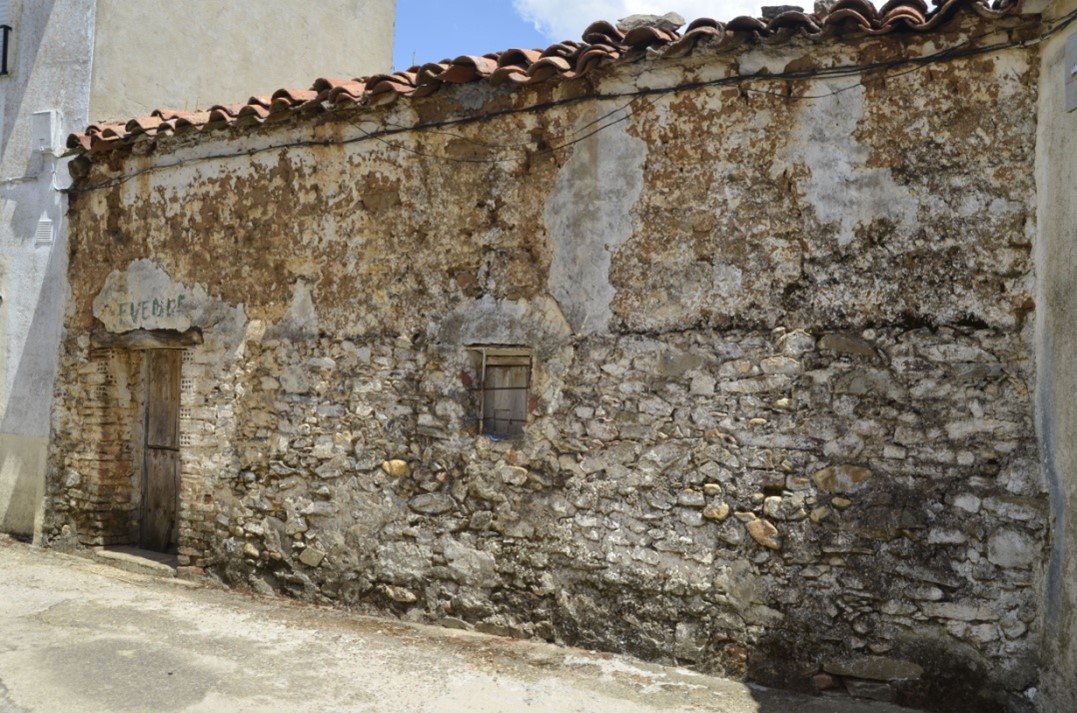
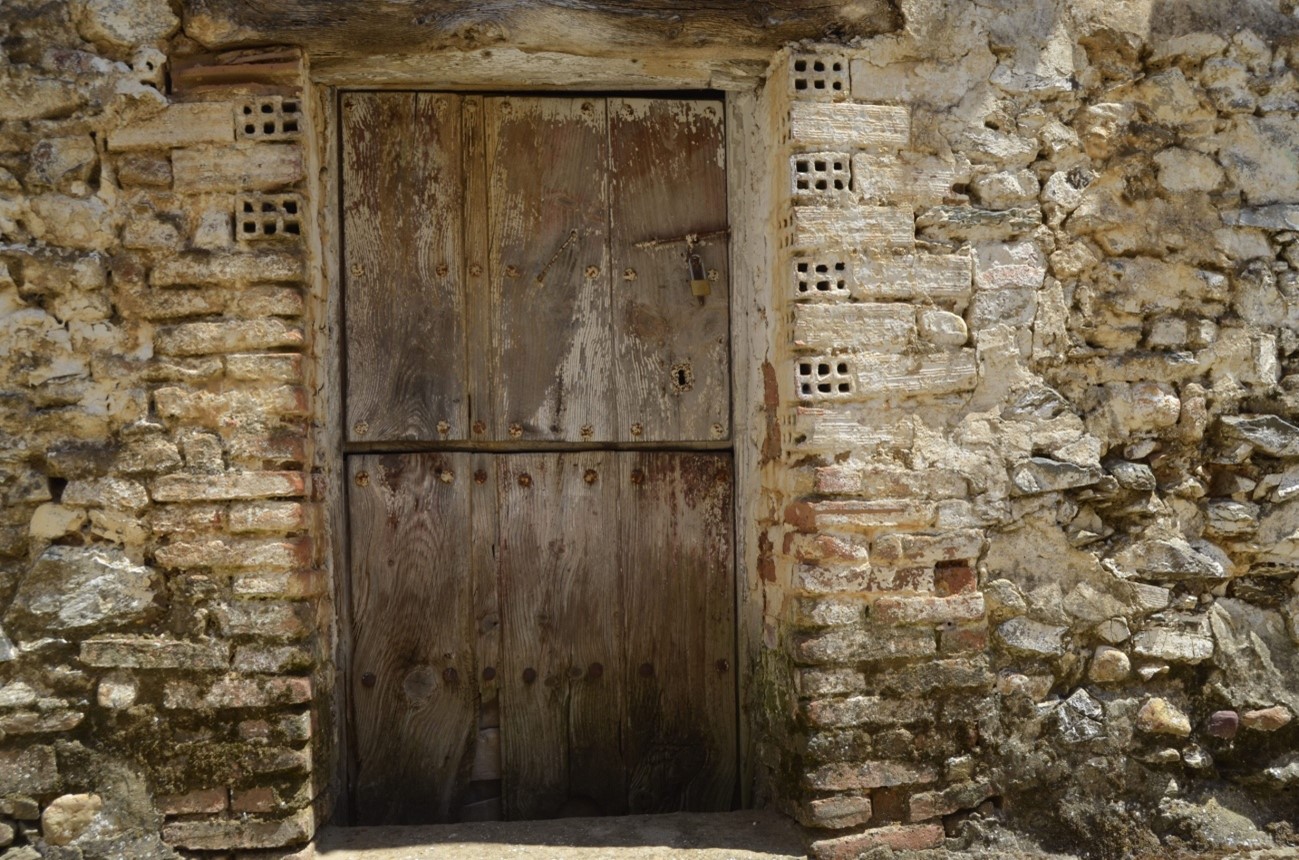
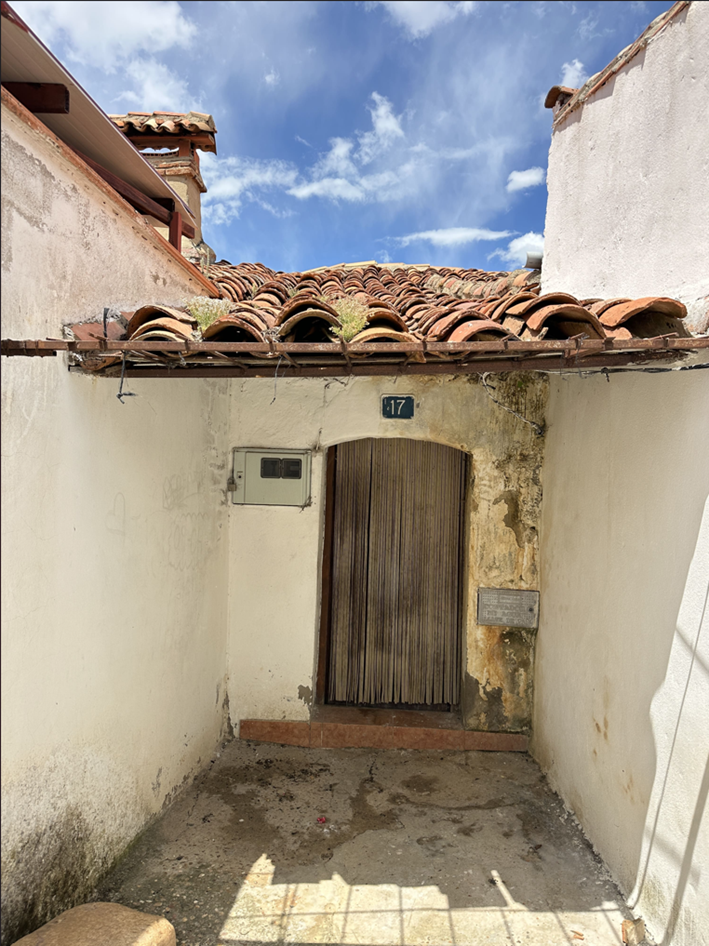
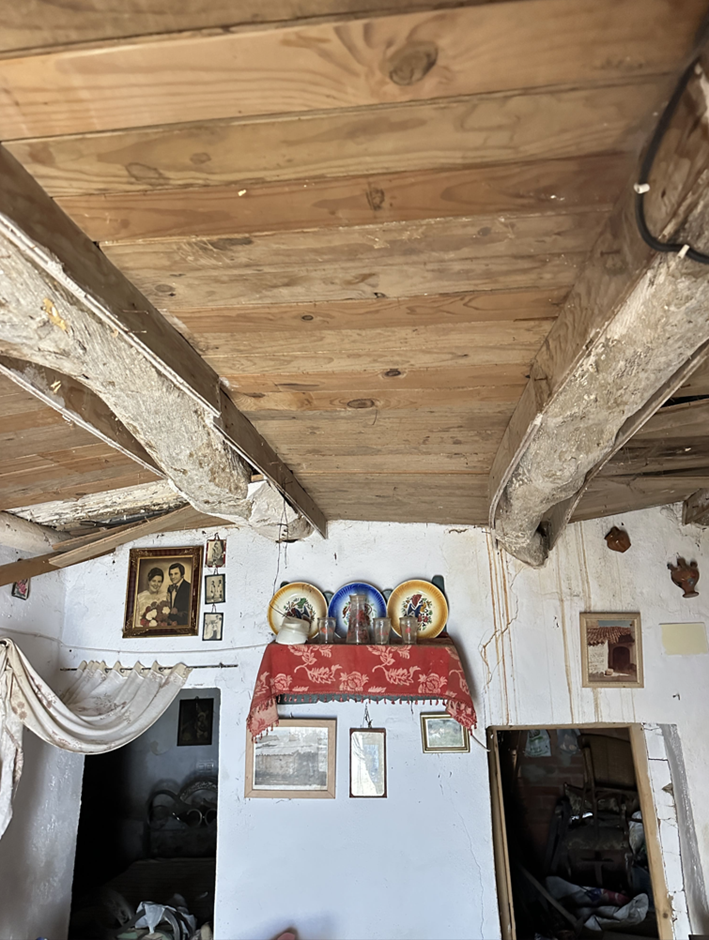
The architecture of both neighbourhoods was characterised by the predominance of adobe constructions and whitewashed façades, distinctive elements of traditional Extremaduran architecture. The homes that are still preserved as they were originally built display a simple typology, with large entrance doors that allowed the passage of animals and carts, reflecting their use linked to agricultural activity.
The urban layout adapted to the slope of the terrain, creating irregular carefully cobbled streets that connected both neighbourhoods through traditional routes such as Boquete de Angera or Barrizal Street. This arrangement favoured pedestrian routes that allowed appreciation of the continuity of the architectural ensemble and its integration into the landscape.
The Perchel neighbourhood also offered privileged views of the surroundings, highlighting the relationship between the urban centre and the natural environment. From these spaces there was access to olive groves and rural paths, reinforcing the transitional character between the urban and agricultural worlds.
RELEVANT FIGURES RELATED TO THE POI
This ensemble is not linked to a specific individual figure, but rather to the rural community of Castilblanco, whose inhabitants have shaped and maintained this model of traditional architecture over time. Its relevance lies in representing the traditional way of life of generations of residents, whose agricultural and livestock activities have left a visible mark on the structure and typology of the dwellings.
MOVABLE HERITAGE
Traditional elements associated with domestic and agricultural life, such as gates, wooden ceilings, clay roof tiles, iron grilles or auxiliary structures integrated into the homes.
INTANGIBLE HERITAGE
The neighbourhoods of Picocerro and El Perchel preserved the memory of a way of life linked to the rural environment, where the organisation of space, neighbourly relations and traditional practices shaped the municipality’s identity.
The use of these spaces as pedestrian routes and tourist interest trails still allows this heritage to remain alive, encouraging awareness of the ethnographic heritage and its transmission to future generations.