DESCRIPTION
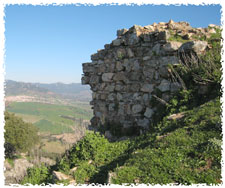
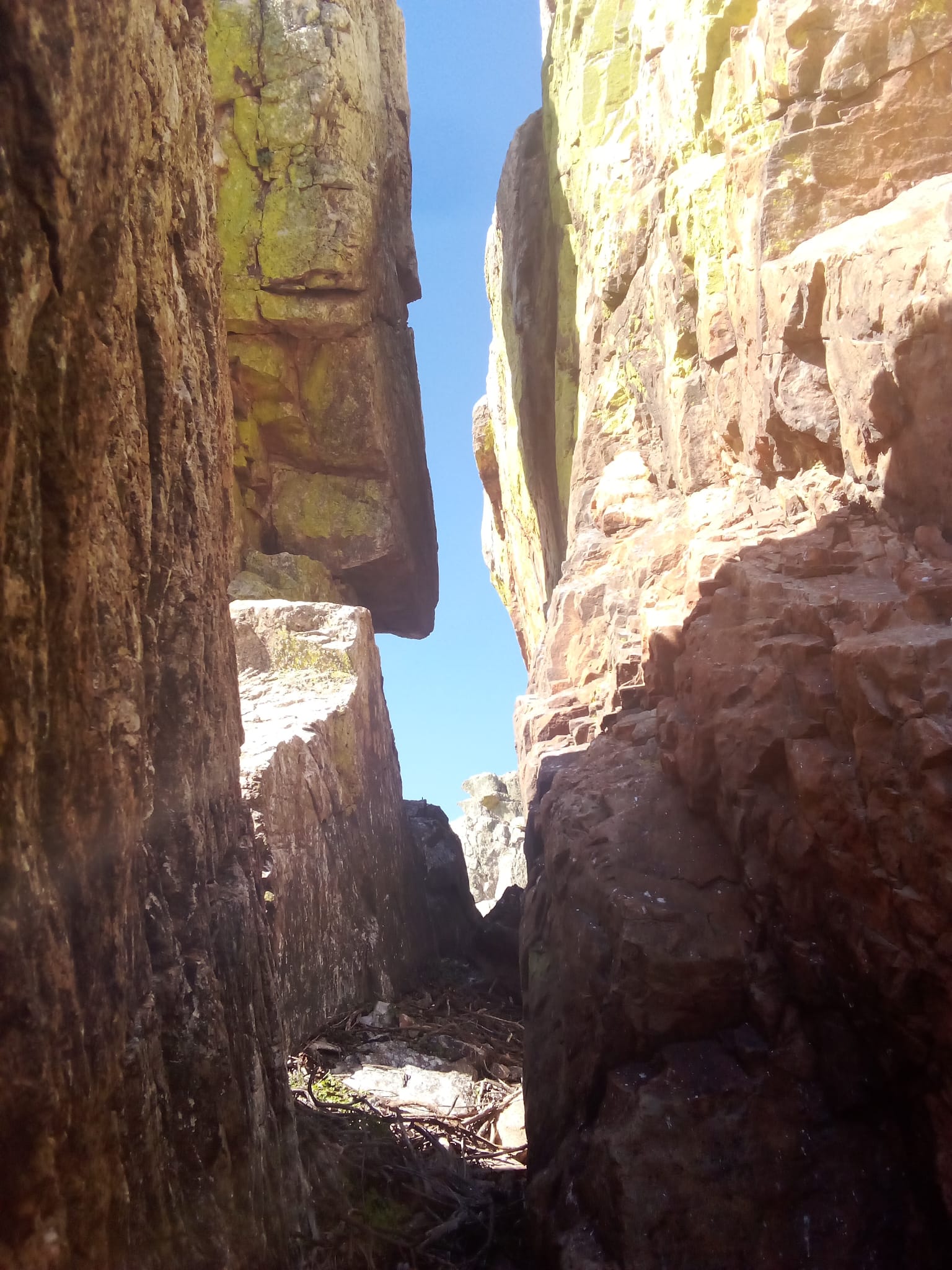
Within the municipal area of Garlitos, in an environment of great landscape value dominated by quartzite outcrops, lie the remains of the so-called Castillo de Minerva together with an important group of rock art manifestations.
This enclave constitutes one of the most relevant archaeological spaces in the area, as it concentrates vestiges ranging from Prehistory to the Middle Ages, integrated within the same cultural landscape.
HISTORY
The site presents a very ancient human occupation, with evidence dating back to the Chalcolithic period (between 2500 and 2000 BC), from which several settlements have been documented in the surroundings. Subsequently, Roman presence is reflected in epigraphic remains and mining exploitations, while the place name “Minerva” appears to preserve the memory of this classical past linked to the ancient city of Miróbriga.
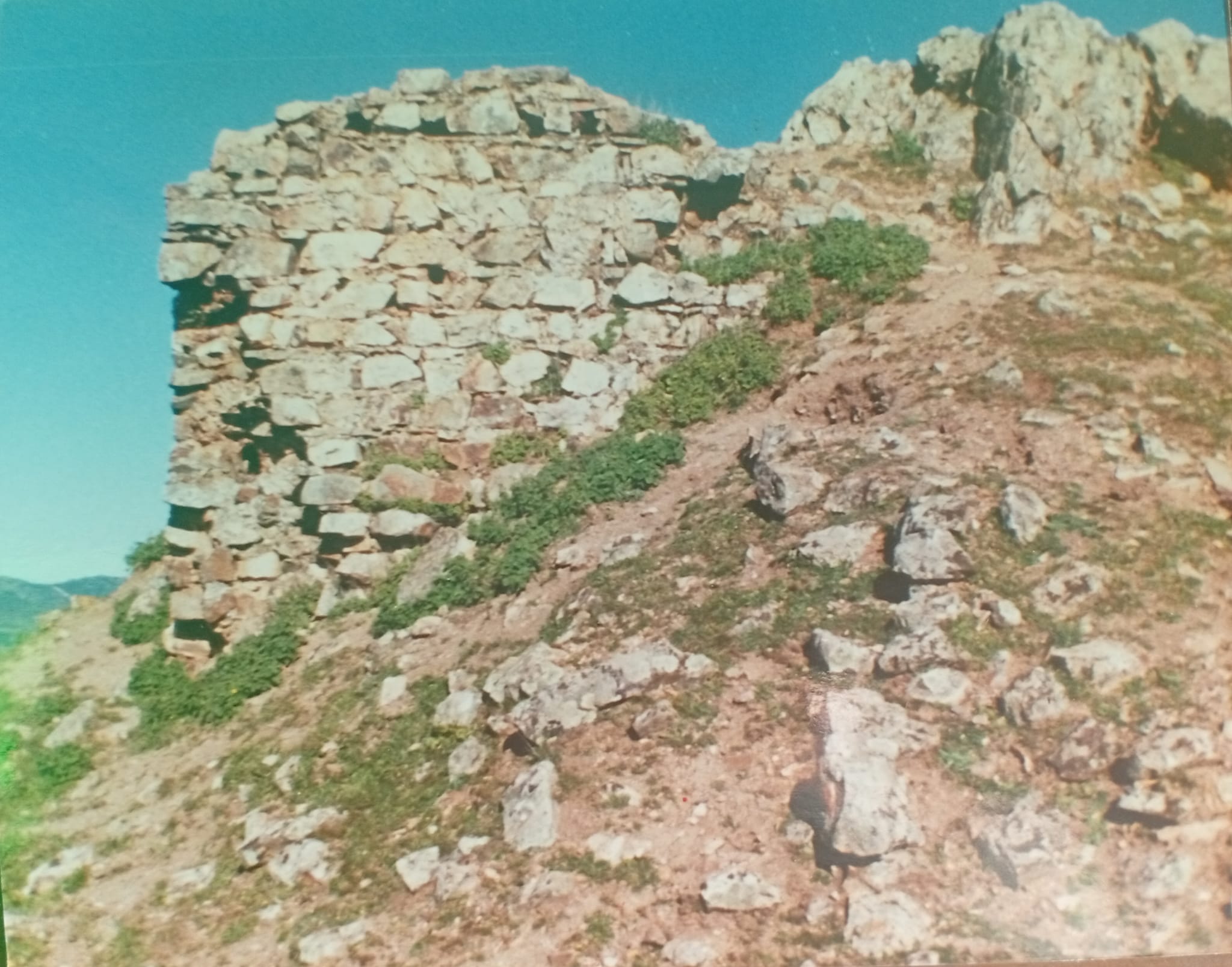
During the Andalusí period, a defensive fortress was built on this strategic enclave, of which remains are still preserved. Following the Christian conquest in the 13th century, the territory became part of the Templar jurisdiction of Capilla, later integrating into the lordship of Capilla under noble control.
HISTORICAL AND ARCHAEOLOGICAL DESCRIPTION
The Castillo de Minerva stands on a quartzite rocky escarpment, taking advantage of the natural conditions of the terrain as a defensive element. It is currently in a ruined state, preserving remains of wall structures that allow its strategic character within the defensive system of the area to be identified.
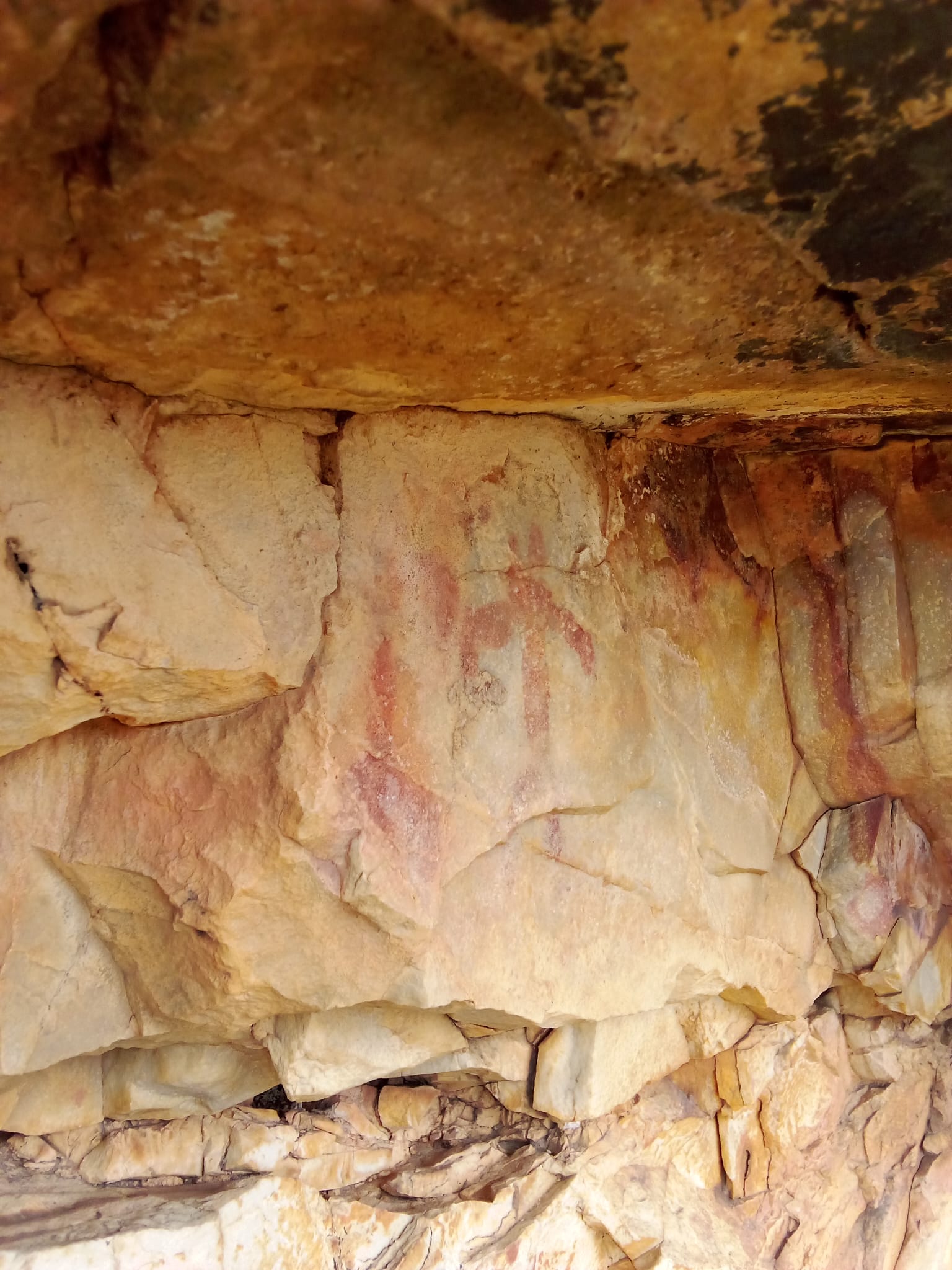
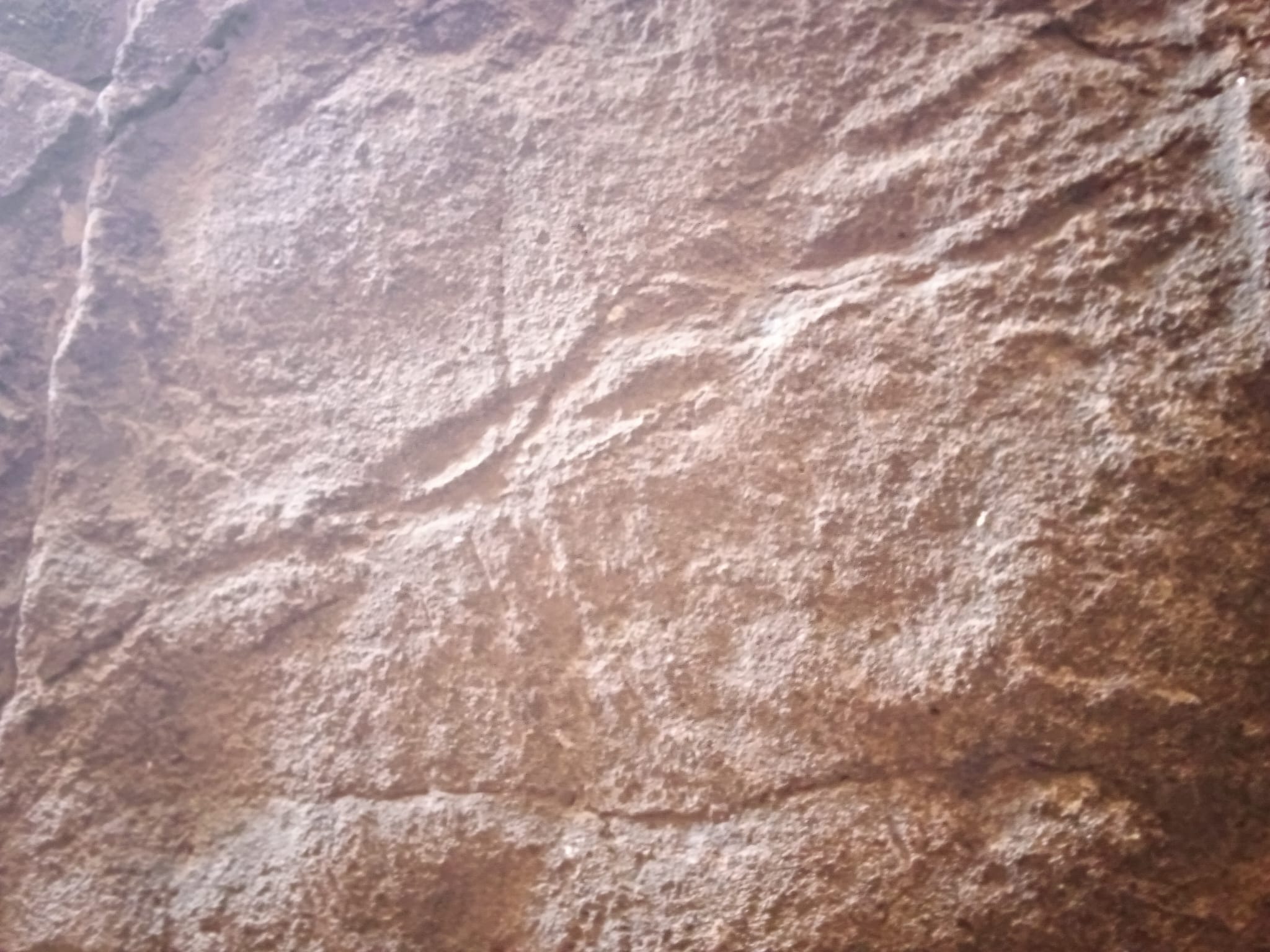
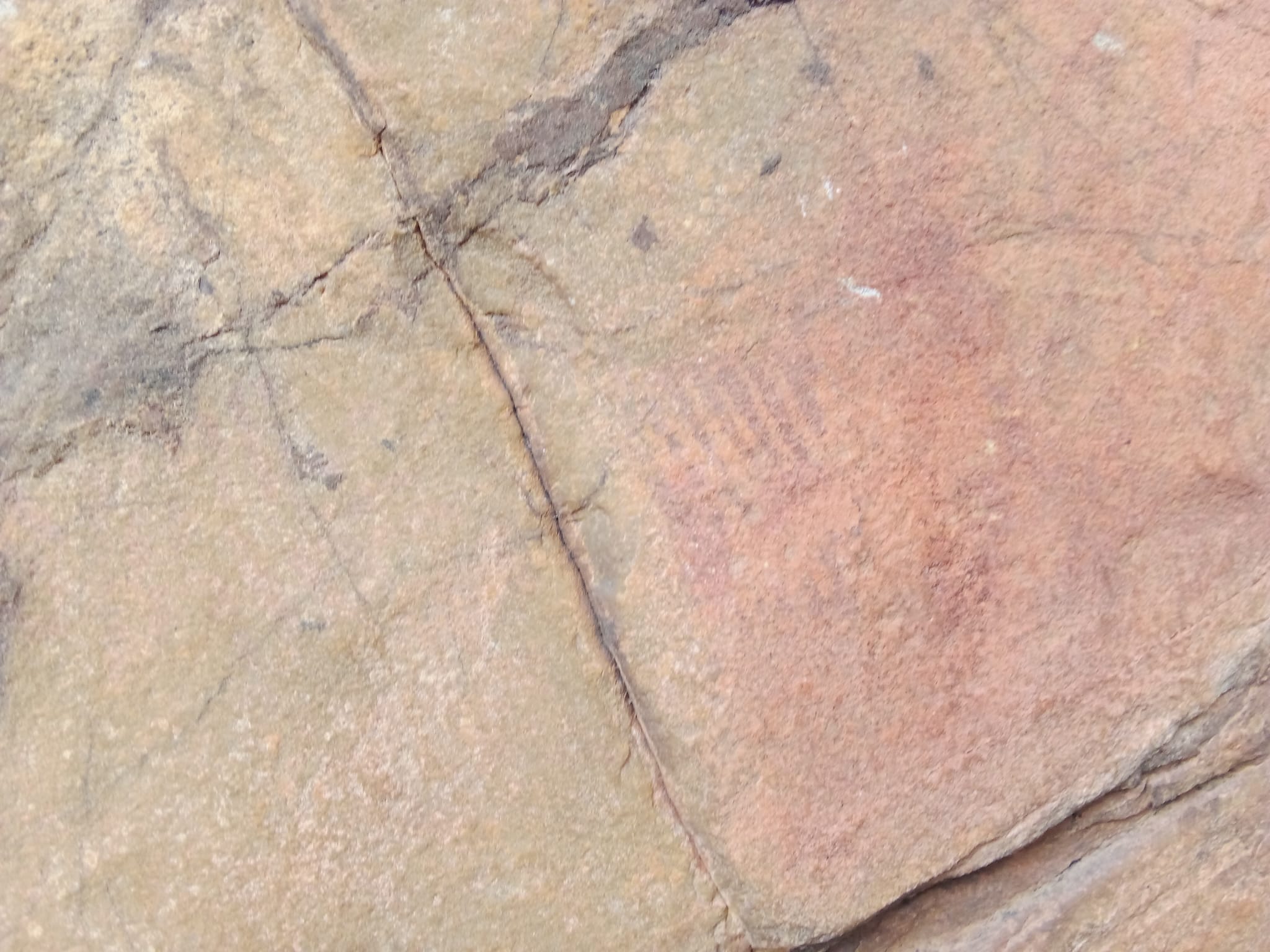
Nearby lies the so-called Abrigo de Minerva, where schematic-type rock paintings executed on quartzite surfaces are preserved. These manifestations, chronologically closer to Late Prehistory than to the Paleolithic period, include representations of human figures, animals and abstract signs.
The ensemble is completed by other archaeological elements in the surroundings, such as Chalcolithic settlements, remains of Roman villas, funerary stelae referring to Miróbriga and evidence of Roman-period mining activity.
RELEVANT FIGURES RELATED TO THE POI
Order of the Temple, responsible for the territorial organisation following the Christian conquest. Diego López de Stúñiga, linked to the configuration of the lordship of Capilla.
MOVABLE HERITAGE
Among the associated elements, Roman funerary stelae with references to Miróbriga stand out, several of them reused in constructions within the municipality such as the hermitage of Nuestra Señora de Nazaret or the former town hall.
INTANGIBLE HERITAGE
The enclave forms part of the collective memory of Garlitos, where the traditional designation “Ciudad de Minerva” still survives, linked to its historical past and to the popular interpretation of its origins.