DESCRIPTION
Former female convent linked to a cloistered religious order, integrated into the historic complex of Puebla de Alcocer and representative of the religious architecture of the Modern Age in the La Siberia region.
HISTORY
The Convent of La Visitación was founded by Francisco Fernández de Valdivieso, parish priest of the town of Puebla de Alcocer. Construction works began in 1546 and were completed in 1585 under the supervision of his nephew, Juan Fernández de Temiño. The Dukes of Osuna and Béjar became patrons of the new foundation.
Its creation responded to the establishment of female religious communities in the town, which played an important role in the spiritual and social life of the municipality. As happened with other conventual establishments, the transformations of the 19th century, especially the disentailment processes, significantly affected its operation and the continuity of the religious community. Over time, the building underwent different uses and adaptations, while nevertheless maintaining its identity as part of the municipality’s historical heritage.
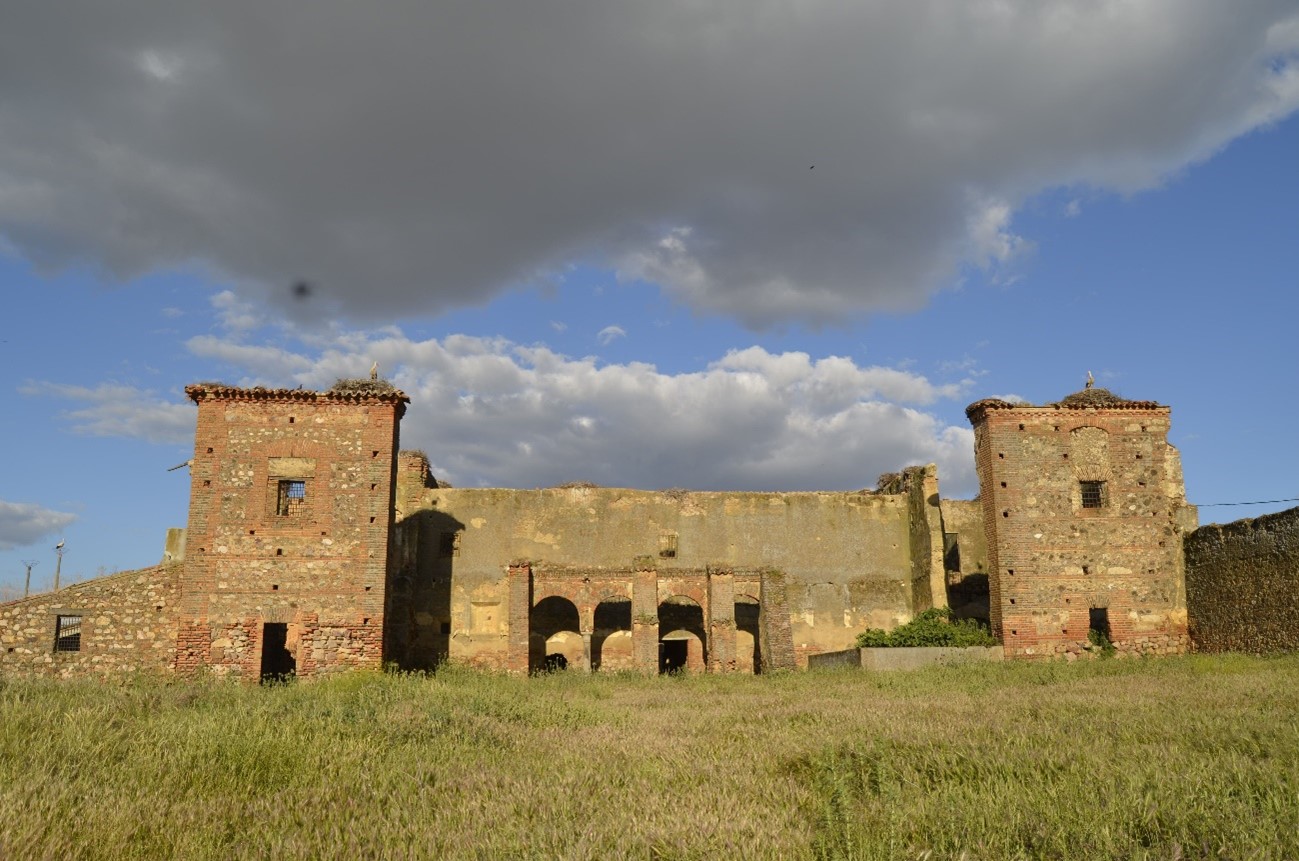
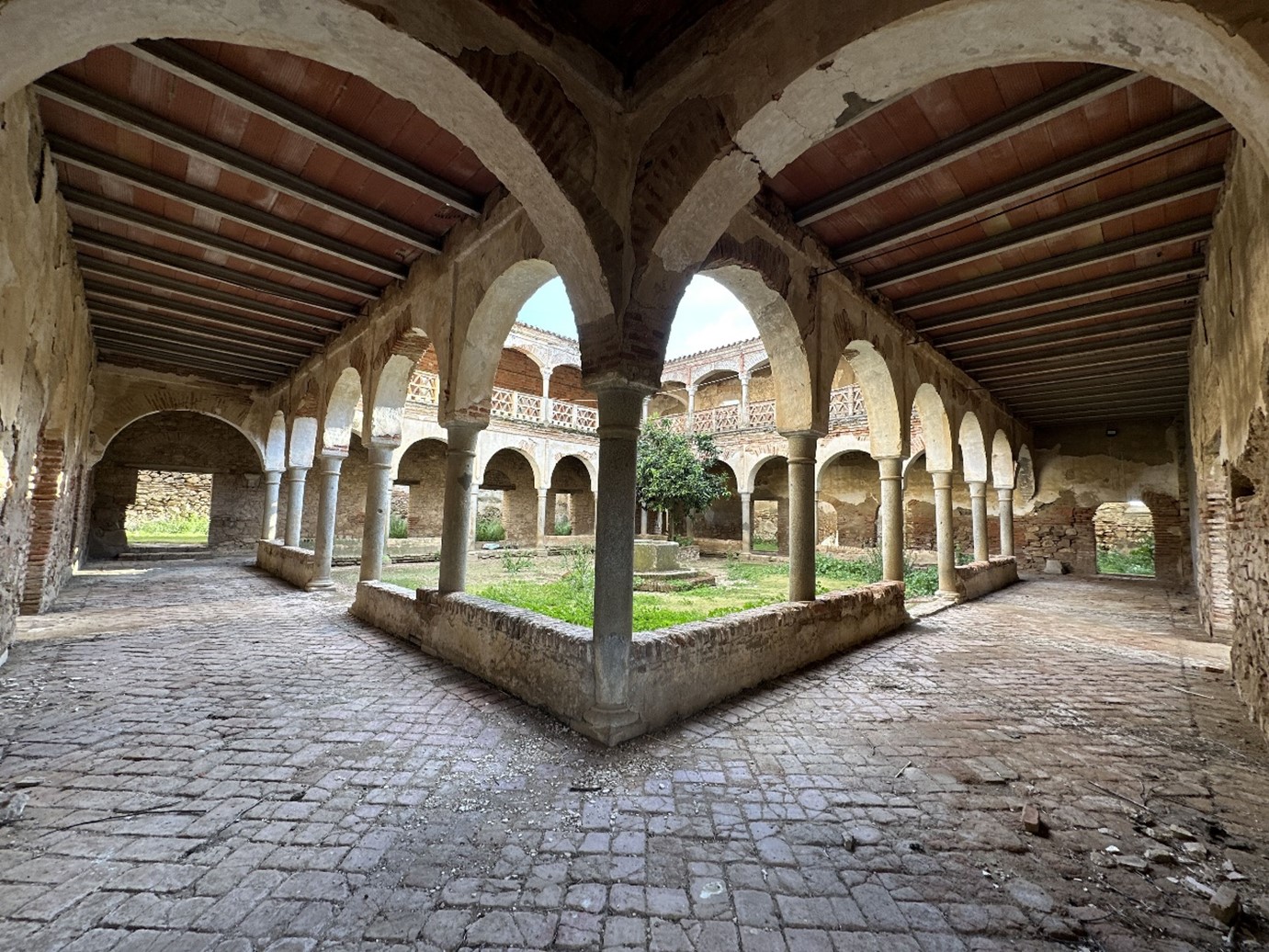
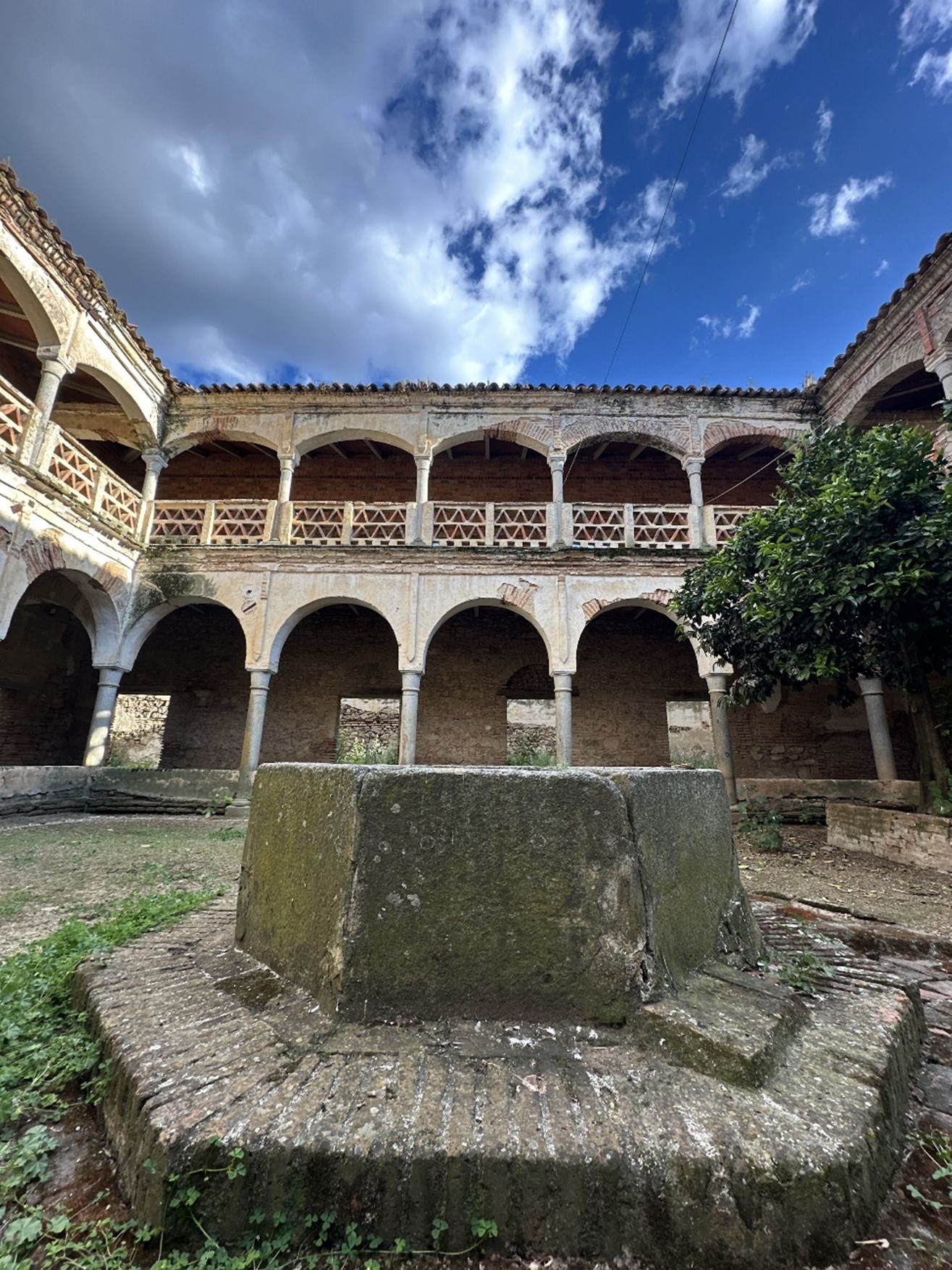
The convent remained active until the beginning of the Spanish Civil War. At that time it was dismantled, causing the nuns who lived there to move, together with all their belongings — including a painting by Murillo — to the convent in the neighbouring town of Cabeza del Buey. Although currently in a state of ruin, it preserves a double-height cloister and is undergoing consolidation works in order to become visitable. Puebla de Alcocer Town Council has acquired the property to carry out restoration and improvement works and incorporate it into the municipality’s architectural heritage.
HISTORICAL-ARTISTIC DESCRIPTION
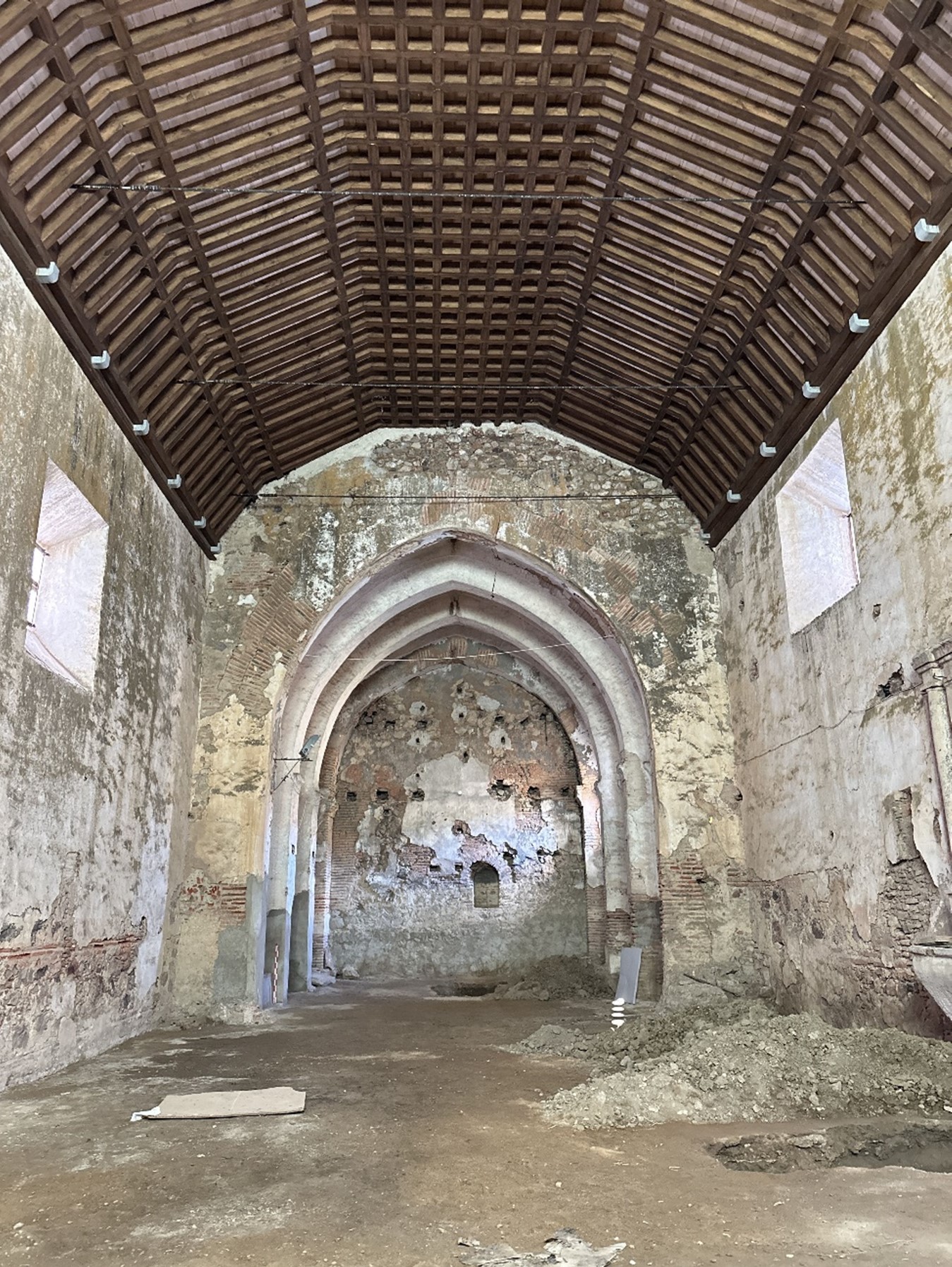
The complex follows the typology of a cloistered convent, organised around interior spaces of a private nature and articulated through rooms intended for communal life. The convent church features a nave of modest proportions, with simple construction solutions and sober decoration, in keeping with the spirituality of female cloistered orders. The complex is completed by annexed rooms used as cells, communal areas and service spaces, organised around courtyards or small cloisters.
The structures combine masonry and brick elements, with traditional construction techniques characteristic of local architecture. Despite the transformations resulting from changes of use, the building preserves significant features of its original configuration, standing out for its integration into the urban fabric and its value as a testimony to female religious architecture.
IMPORTANT FIGURES RELATED TO THE POI
The Houses of Osuna and Béjar were two of the most influential noble lineages in Spain. The House of Osuna (Téllez-Girón) played an important role during the 19th century, especially through Mariano Téllez-Girón (12th Duke), known for his immense wealth and later bankruptcy. The House of Béjar (Zúñiga) was highly significant during the Renaissance, particularly for the creation of the estate known as “El Bosque” in the 16th century.
MOVABLE HERITAGE
Liturgical elements and objects related to convent life, most of them lost or transformed after the changes in the building’s use.
INTANGIBLE HERITAGE
The tradition of female religious life in Puebla de Alcocer and its influence on the municipality’s historical and social configuration, as well as the collective memory associated with this place as a space of retreat and spirituality.