DESCRIPTION
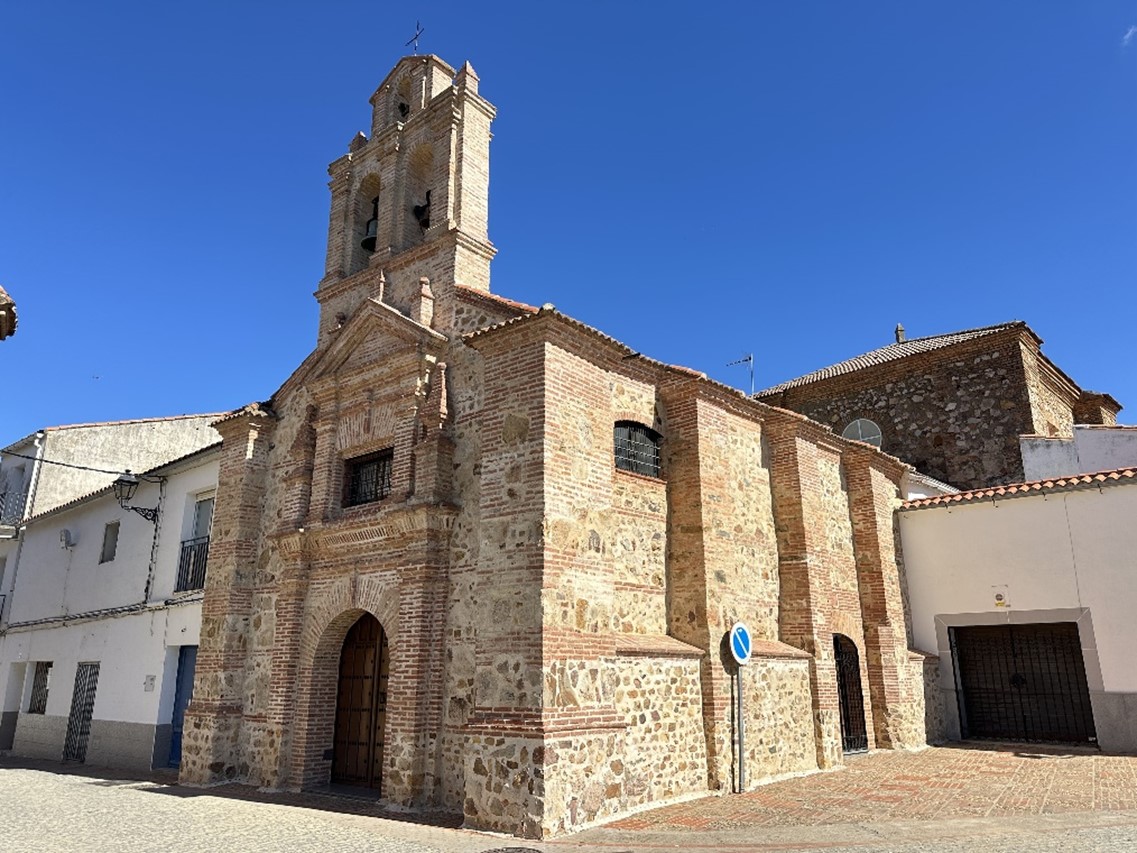
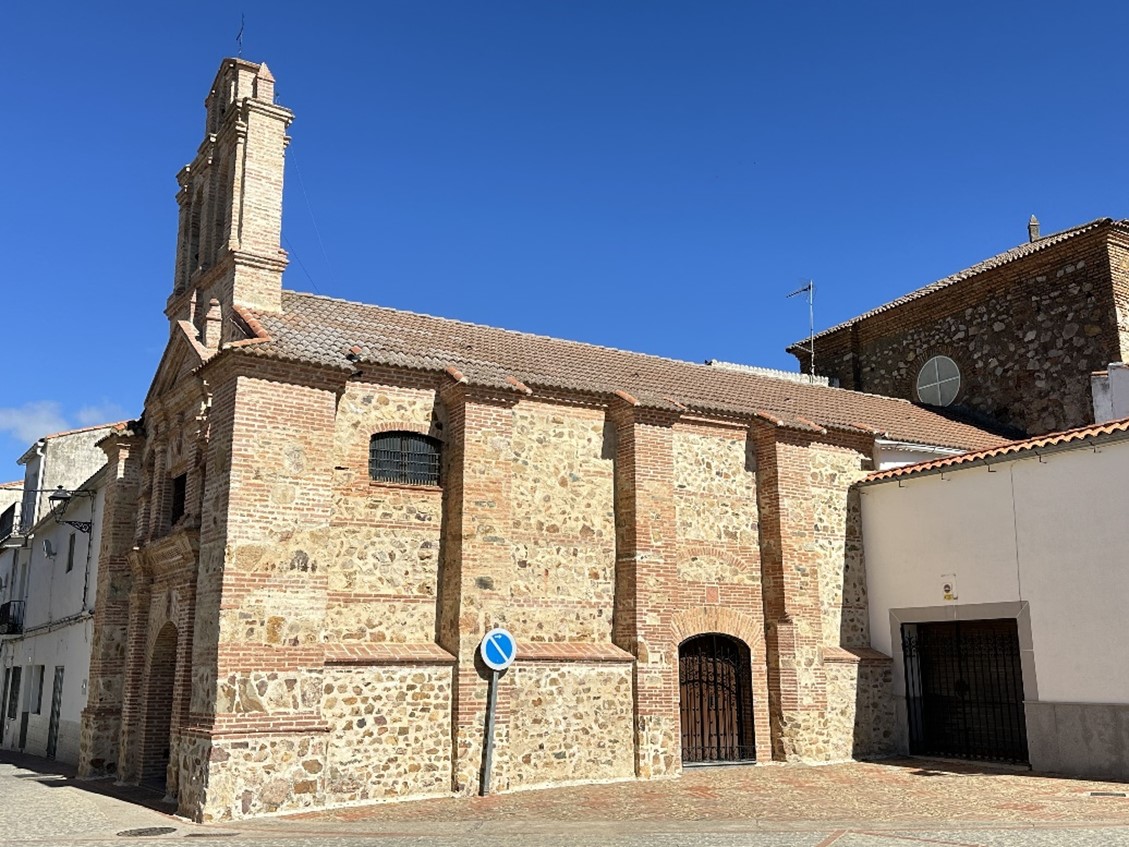
The Convento de Monjas Clarisas of Siruela, also known as the Convento of the Immaculate Conception, is one of the locality’s main religious and heritage landmarks. Located near the main square and beside the parish church, it forms an essential part of the historic urban ensemble. This space keeps the monastic tradition alive within the municipality and is also a point of cultural and devotional interest.
HISTORY
The origin of the convent dates back to the late 13th century or around the year 1300, when it began as a beaterio founded by pious local women who donated their own homes for this purpose. It was not until the mid-16th century that the complex formally acquired convent status. During this stage and throughout the 17th century, important interventions were carried out, particularly the enlargement and configuration of the main chapel.
A key figure in this process was Doña Leonor de Velasco, who in her 1621 will arranged for her burial in the convent and promoted the construction of the chapel in a Classical style. The community, initially linked to the Franciscan Third Regular Order, later became fully integrated into the Order of Saint Clare in contemporary times.
HISTORICAL-ARTISTIC DESCRIPTION
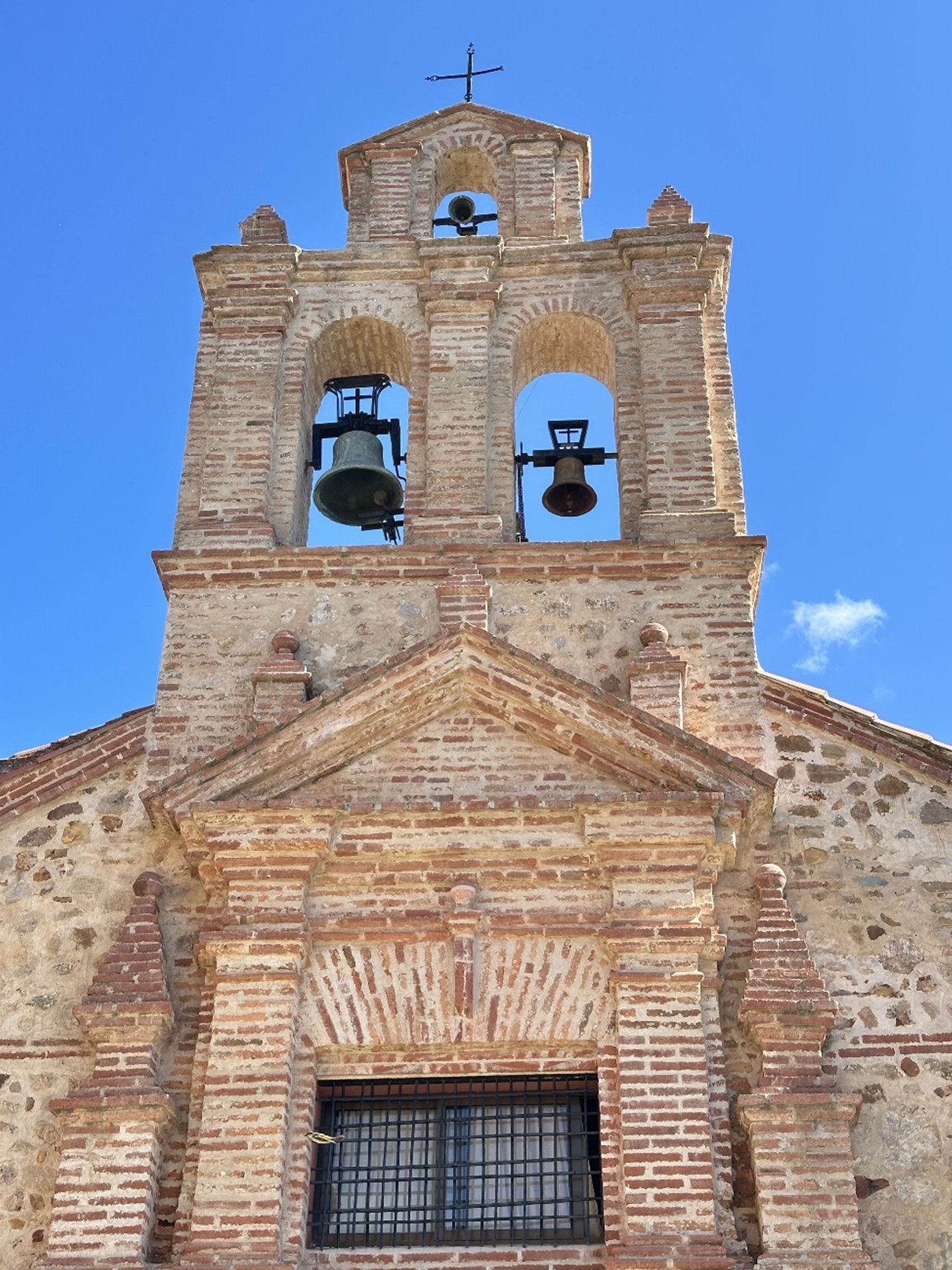
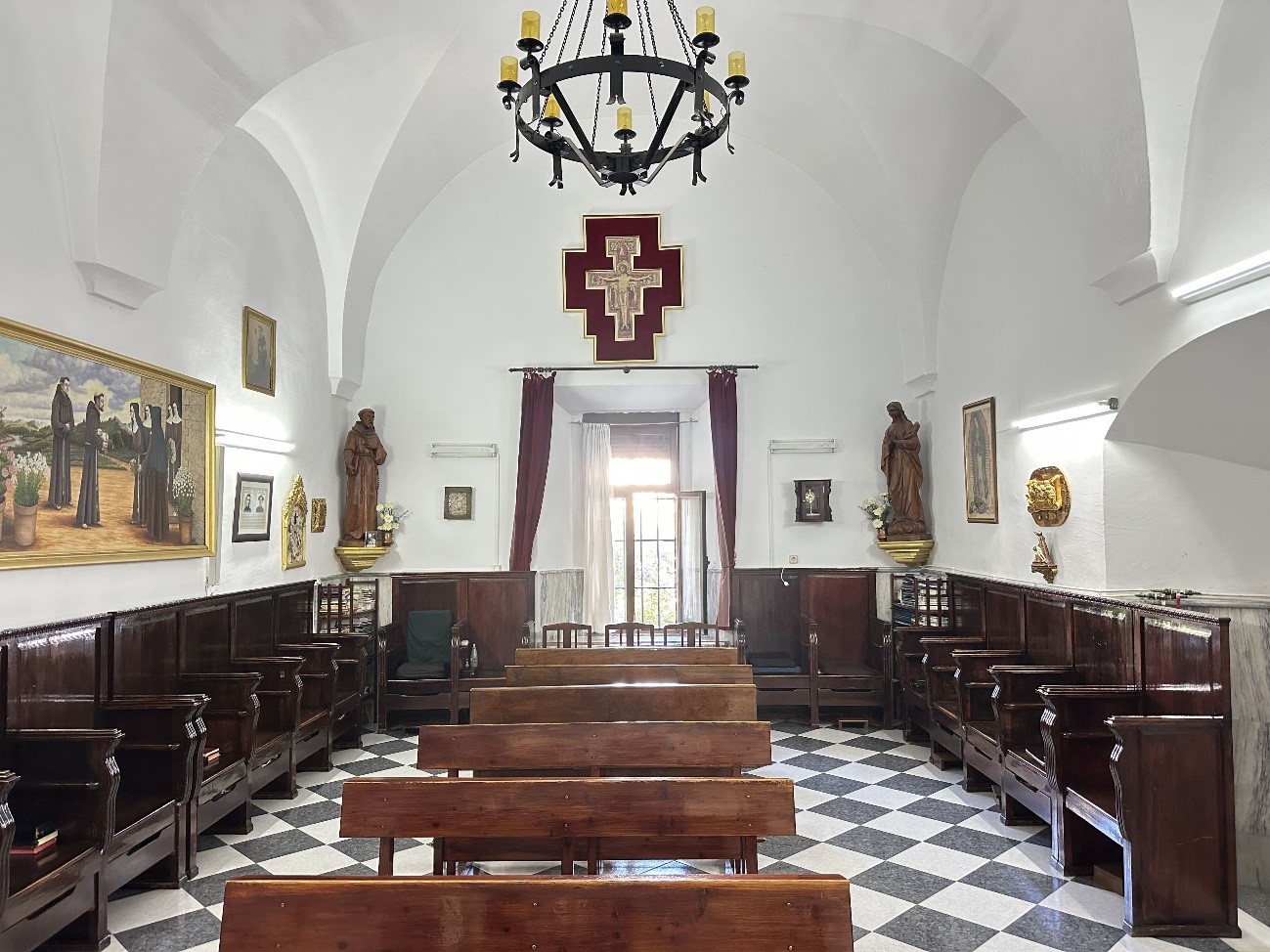
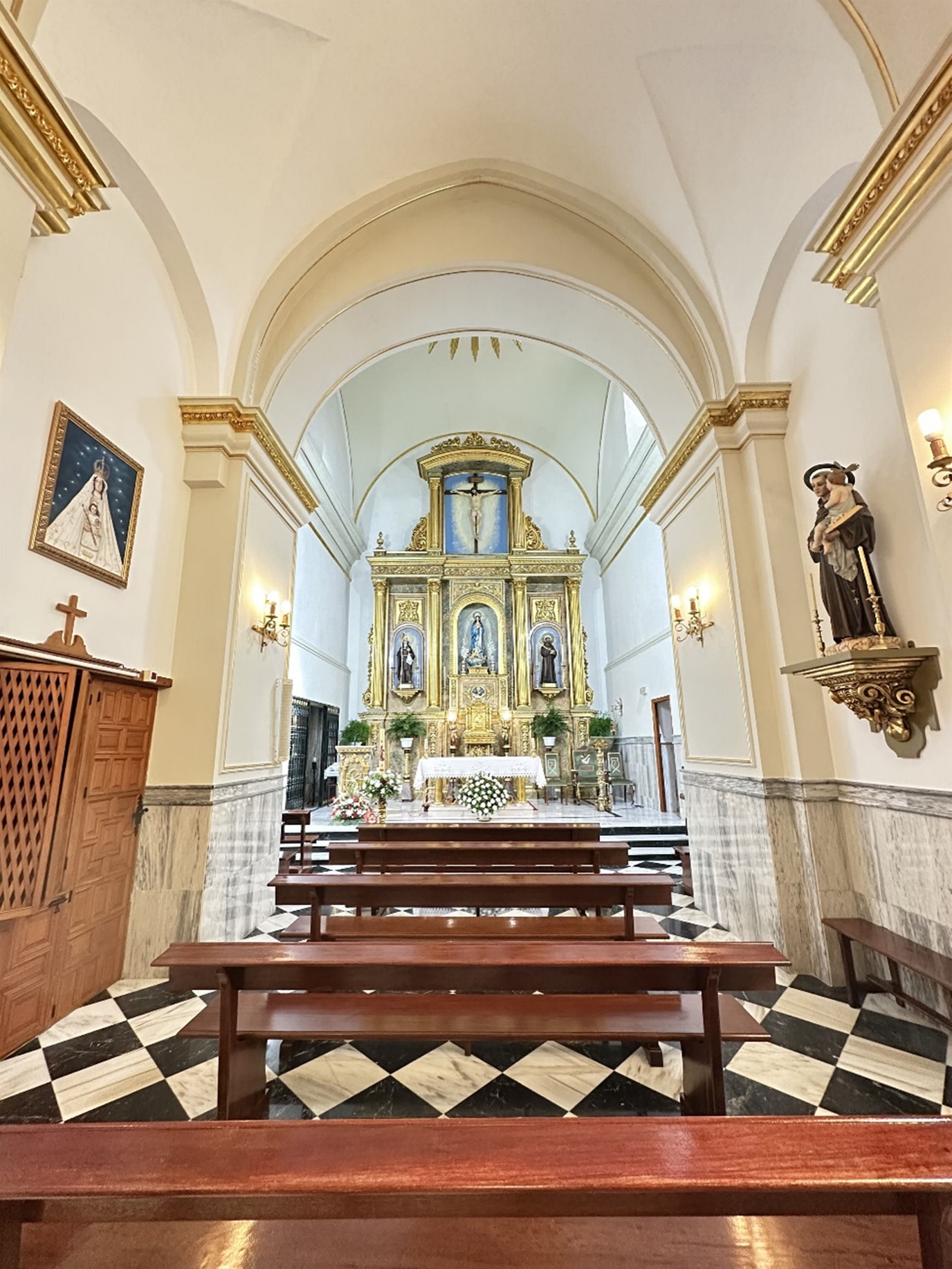
The complex presents construction elements belonging to different historical periods, with an original medieval base and later transformations from the 16th and 17th centuries. The convent entrance follows simple architectural schemes, with a semicircular arch, while inside, the main chapel stands out for its Classical style, covered and organised according to 17th-century architectural models.
Particularly noteworthy is the altarpiece, with gilded carving and Corinthian order, which constitutes one of the most significant artistic elements of the complex. The building covers 2,200 square metres distributed across three floors. It had to be transformed and partially renovated after the war, but it preserves its conventual character and its integration within the traditional urban fabric of Siruela.
RELEVANT FIGURES RELATED TO THE POI
The figure of Doña Leonor de Velasco stands out as the promoter of the main chapel and linked to the lineage of the counts of Siruela. Tradition also records the passage of Santa Teresa de Jesús through the convent between 1575 and 1580 during her founding journeys, leaving a spiritual mark on the history of the place.
MOVABLE HERITAGE
The main movable heritage element is the chapel altarpiece, with gilded carving and Corinthian order, representative of 17th-century religious art.
INTANGIBLE HERITAGE
The convent maintains an intense religious life based on contemplation and prayer, serving as an active spiritual centre within the locality. At the same time, the nuns carry out a renowned artisanal activity linked to traditional pastry-making, producing sweets that form part of Siruela’s cultural identity and enjoy great prestige throughout the comarca. This dual spiritual and cultural dimension turns the convent into a living element of the local heritage.