DESCRIPTION
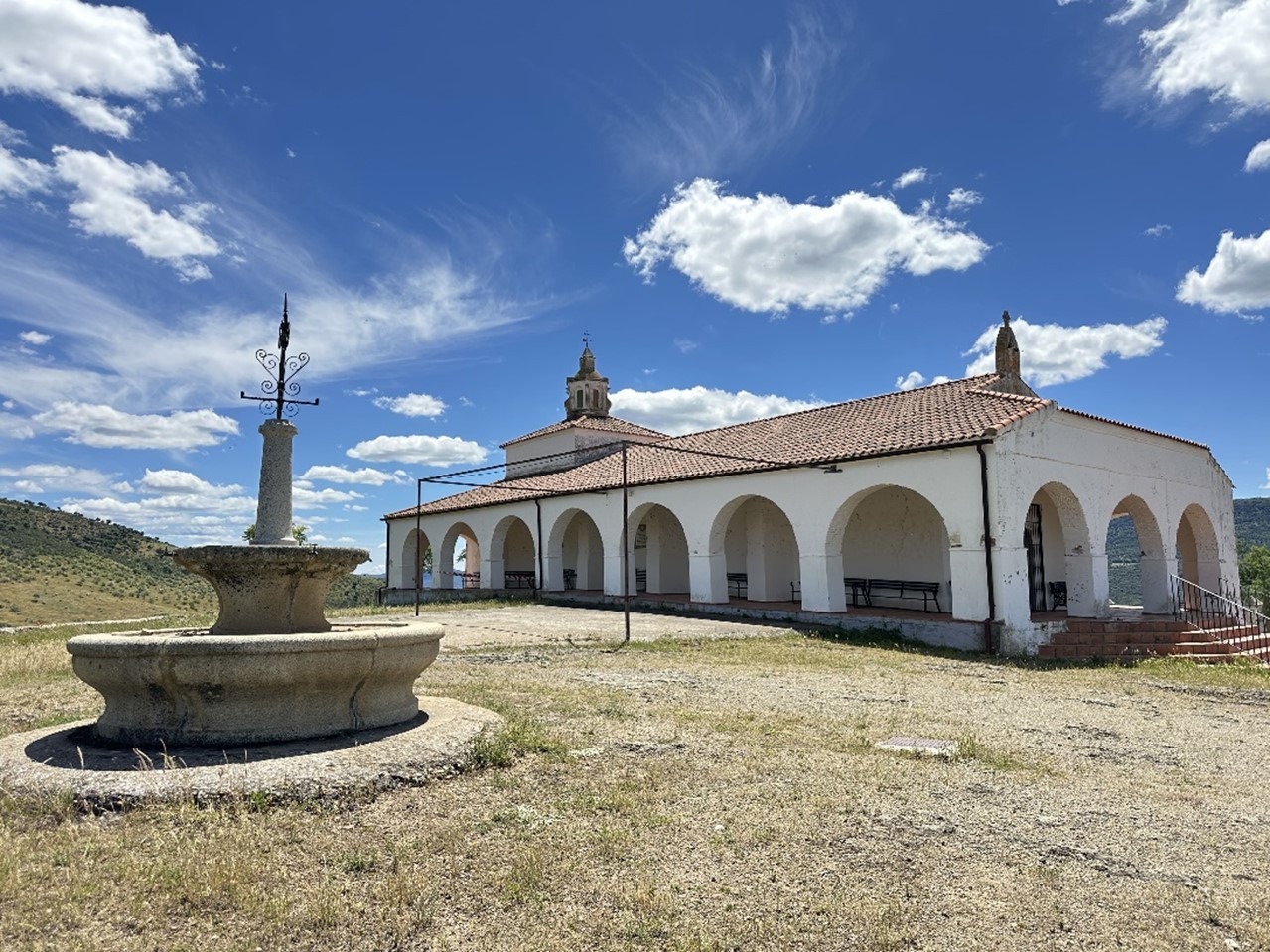
The Hermitage of Nuestra Señora de la Antigua stands as one of the most emblematic sites of Villarta de los Montes, located about eight kilometers from the urban center, in an elevated area on the other side of the Guadiana River. Its location, in a former resting place of the Mesta, gives it a singular character from both a landscape and historical point of view, visually dominating the traditional livestock routes. It is a temple deeply linked to the identity of the territory, where nature, history, and popular devotion converge.
HISTORY
The origin of the hermitage dates between the 14th and 15th centuries, in a context of consolidation of Christian settlement and territorial organization following the Reconquista. The presence inside of a Romanesque carving of the Virgin, dating from the 13th century, suggests an earlier cult, possibly associated with a primitive construction or a small sanctuary linked to livestock transit and the protection of the road.
This circumstance reinforces the hypothesis that the site may have played a dual role, religious and strategic, related to the visual control of the territory and the organization of livestock crossings along the Cañada Real Segoviana. Its connection with transhumance and the Mesta explains its location at a resting place where shepherds and flocks found shelter, water, and a sacred place to entrust their journey.
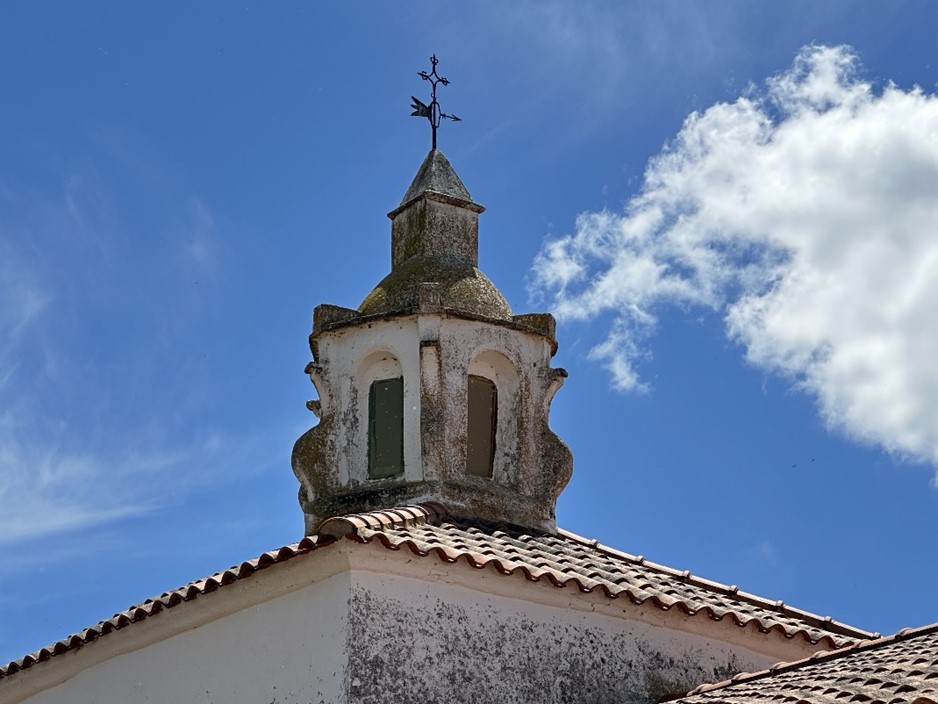
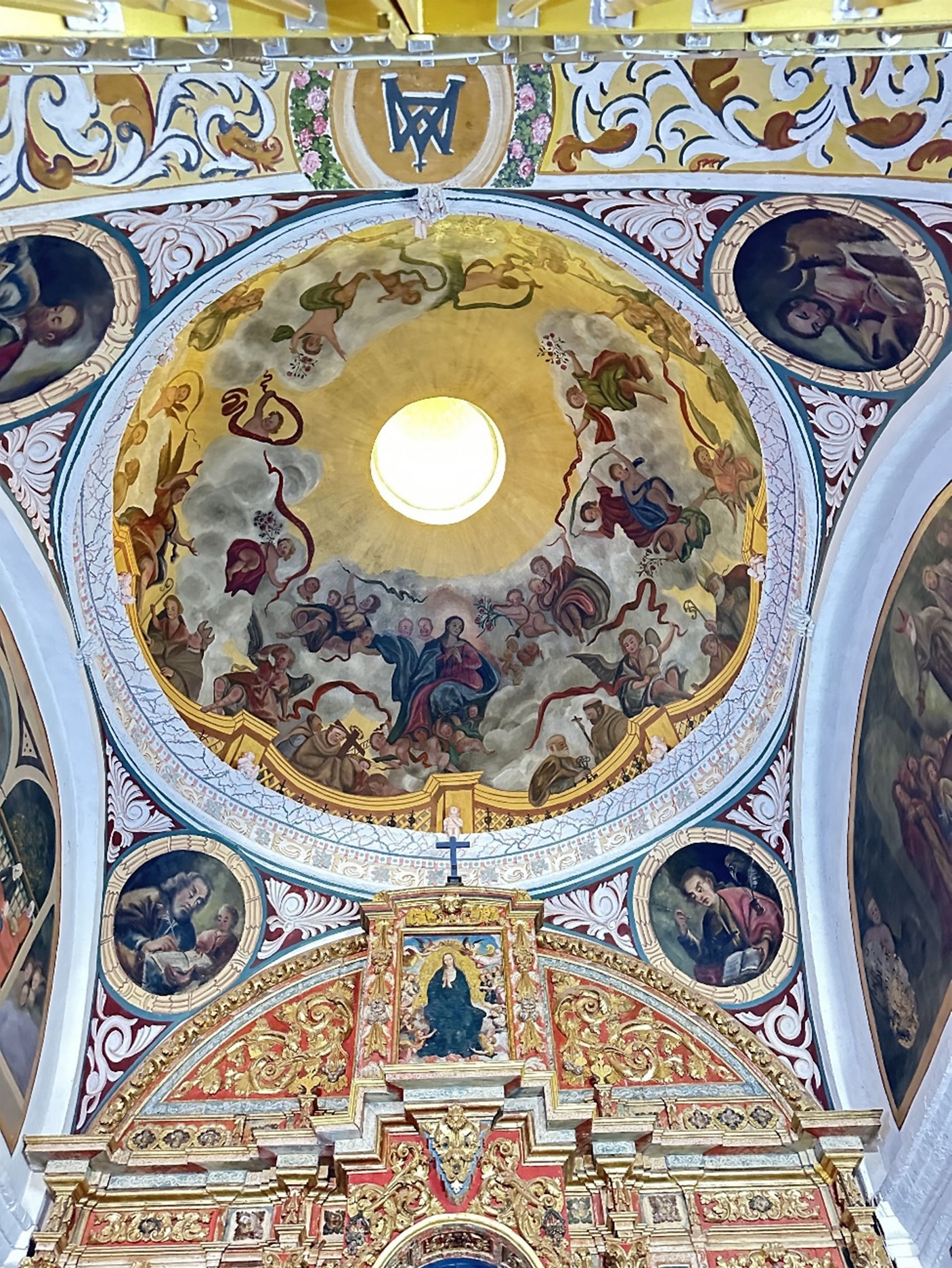
Throughout the Modern Age, the building adapted to the needs of worship and popular devotion. In the 18th century, a Baroque dome housing the Virgin’s dressing room was added, enriching the architectural configuration of the complex and demonstrating the growing importance of Marian devotion. Over time, the hermitage became a regional sanctuary, a reference point for festive celebrations, pilgrimages, and religious practices of the people of Villarta de los Montes.
HISTORICAL-ARTISTIC DESCRIPTION
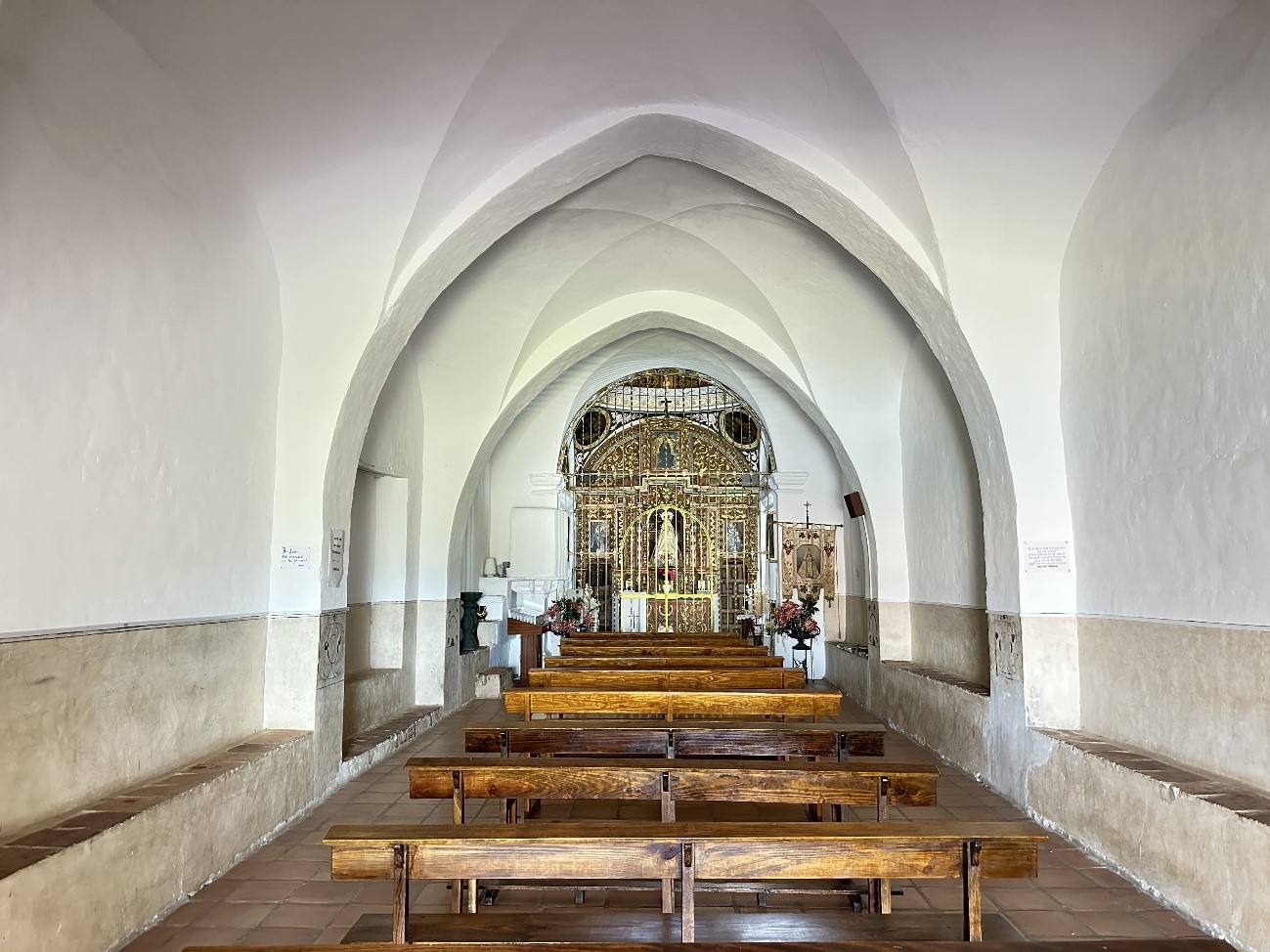
The hermitage presents architecture of Mudéjar origin and popular character, organized in a rectangular nave oriented east to west. The interior is articulated through sections separated by pointed arches, culminating in a space topped by a quadrangular structure crowned with a dome.
Externally, the temple is surrounded by arcades and wide porticoes on several sides, creating a traditional welcoming space for pilgrims and visitors. This element reinforces its historical function as a meeting and transit place linked to livestock routes and the Mesta.
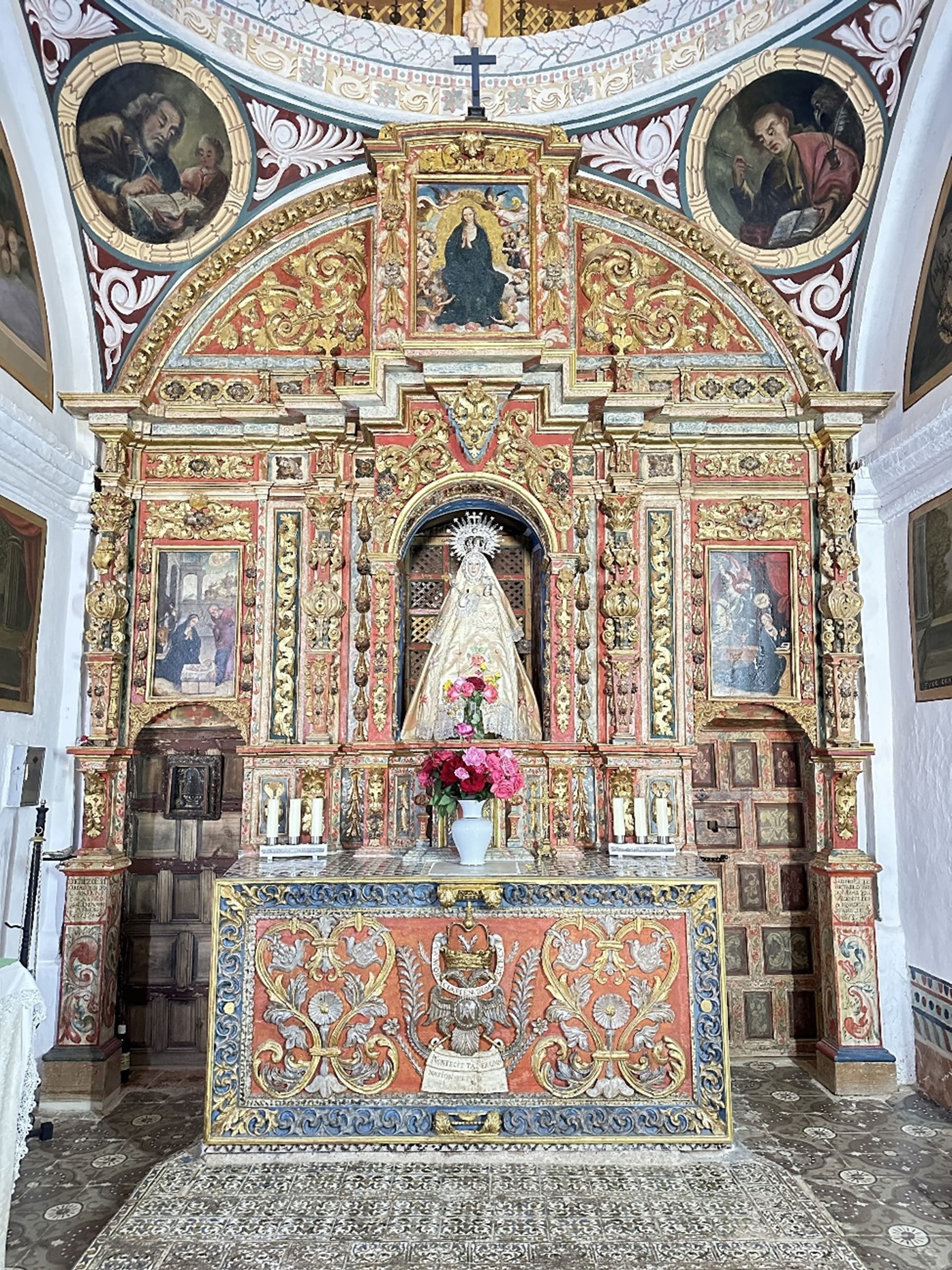
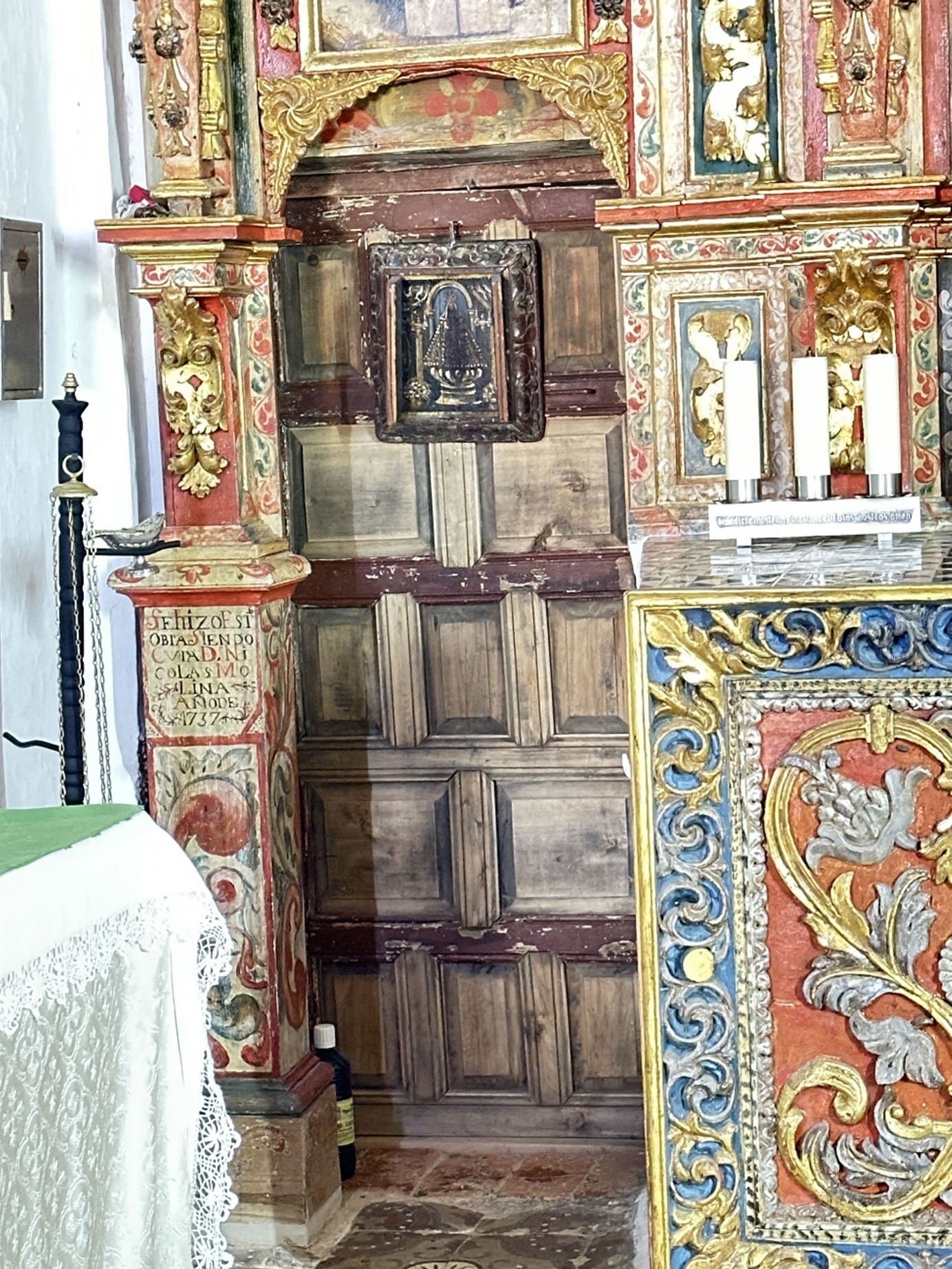
Inside, the Baroque altarpiece stands out especially, accompanied by paintings attributed to Juan Correa de Vivar, which add notable artistic value to the complex. In the 18th century, a Baroque dome was added, also incorporating a dressing room and enriching the architectural configuration of the sanctuary. Presiding over the temple is the image of the Virgen de la Antigua, a 13th-century Romanesque wooden carving considered one of the pieces of greatest historical and devotional interest in the locality. The immediate surroundings, with the caretaker’s house and the mountain landscape around it, complete a site of strong personality.
RELEVANT FIGURES RELATED TO THE POI
The figure of Juan Correa de Vivar stands out, as some of the altarpiece paintings are attributed to him, contributing to the sanctuary’s artistic value. Likewise, the site maintains an indirect historical connection with the Order of Calatrava, whose presence in the area reinforces the interpretation of the place as a strategic and religious point in the Middle Ages. The site also maintains an indirect historical connection with the Order of Calatrava, a military and religious institution that played a highly relevant role in the organization and defense of these frontier territories during the Middle Ages. The presence of the Order in the area reinforces the interpretation of the place as a strategic and religious point integrated into the networks of power, control, and evangelization of the territory.
MOVABLE HERITAGE
The main heritage element is the image of the Virgen de la Antigua, a 13th-century Romanesque carving, accompanied by the Baroque altarpiece and associated paintings, which constitute the artistic core of the temple.
INTANGIBLE HERITAGE
The hermitage constitutes one of the main centers of popular devotion in Villarta de los Montes. Throughout the year, it hosts various religious and festive celebrations deeply rooted in local identity. Among them, the pilgrimage linked to San Isidro stands out, held on the Saturday closest to the saint’s feast day, gathering numerous residents and visitors around the sanctuary in an atmosphere of coexistence and popular tradition.
Also significant is the tradition of transferring the image of the Virgen de la Antigua to the municipality during the August festivities, reinforcing the historical and emotional bond between the hermitage and the social life of the town. In addition, the site remains associated with legends and popular stories, such as the tradition of the dove that is said to have indicated the location of the sanctuary, enriching the symbolic and identity value of the place within the collective imagination of Villarta de los Montes.