DESCRIPTION
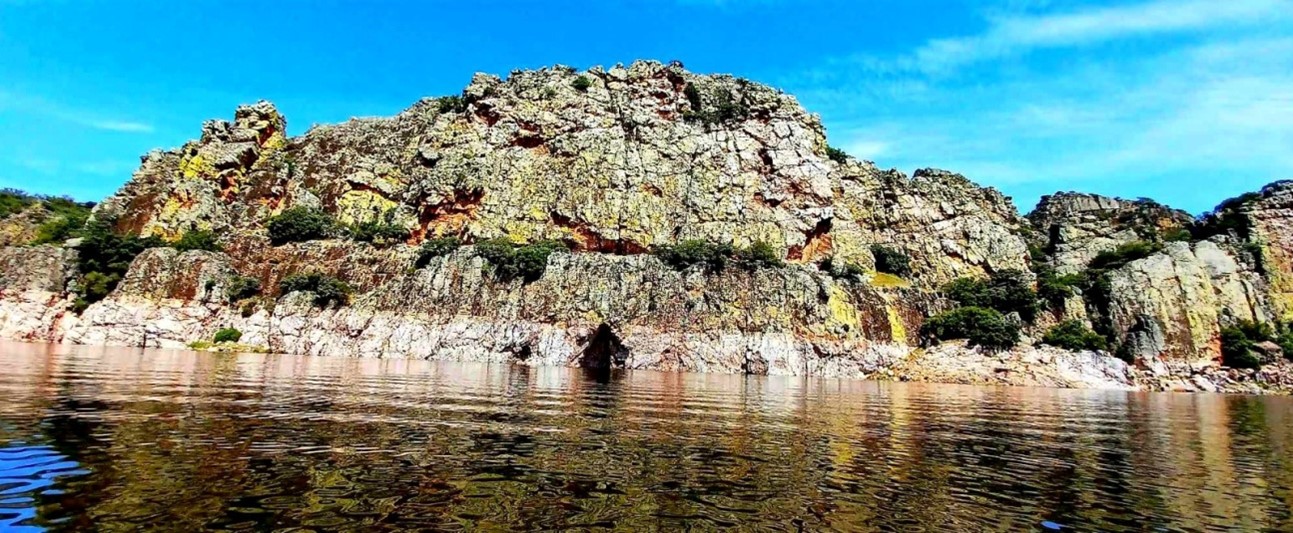
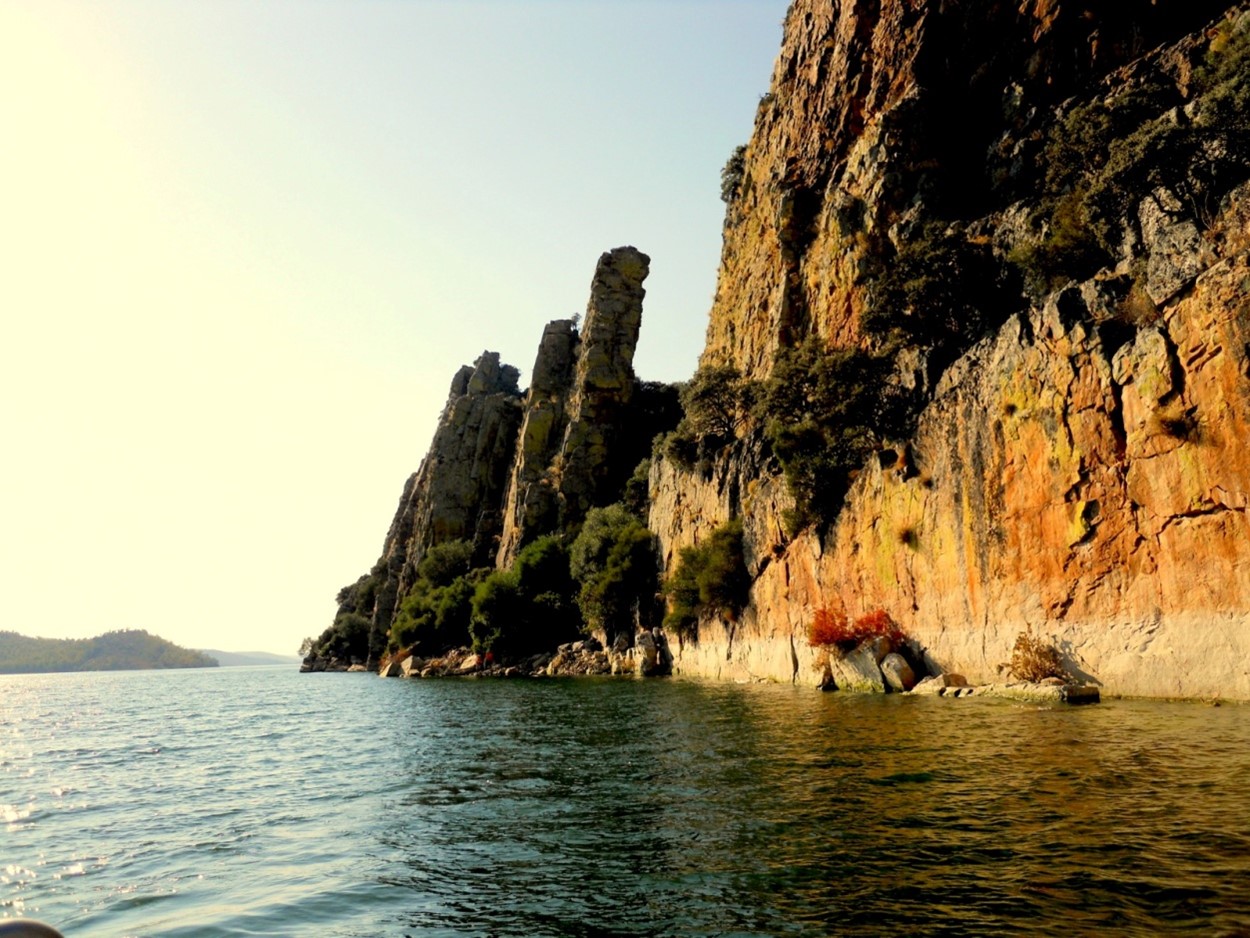
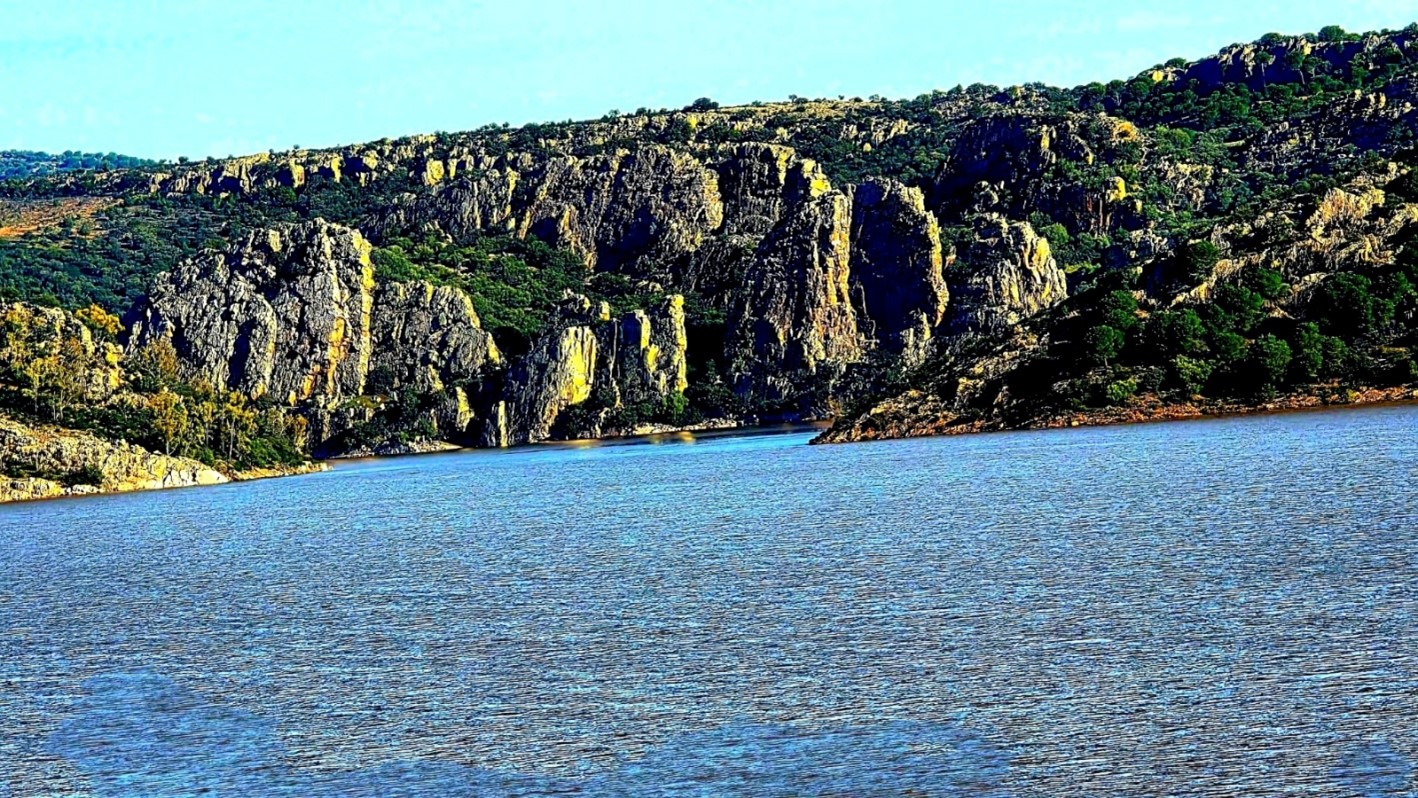
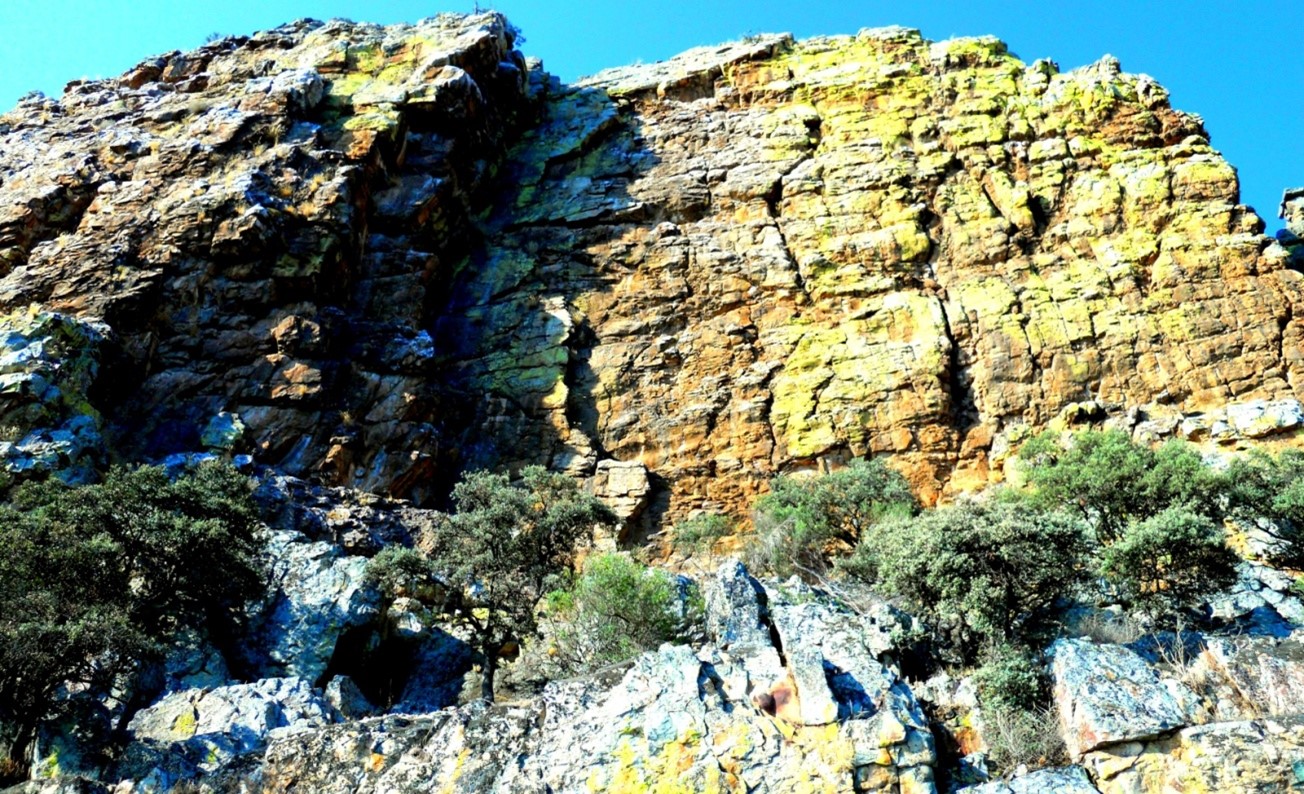
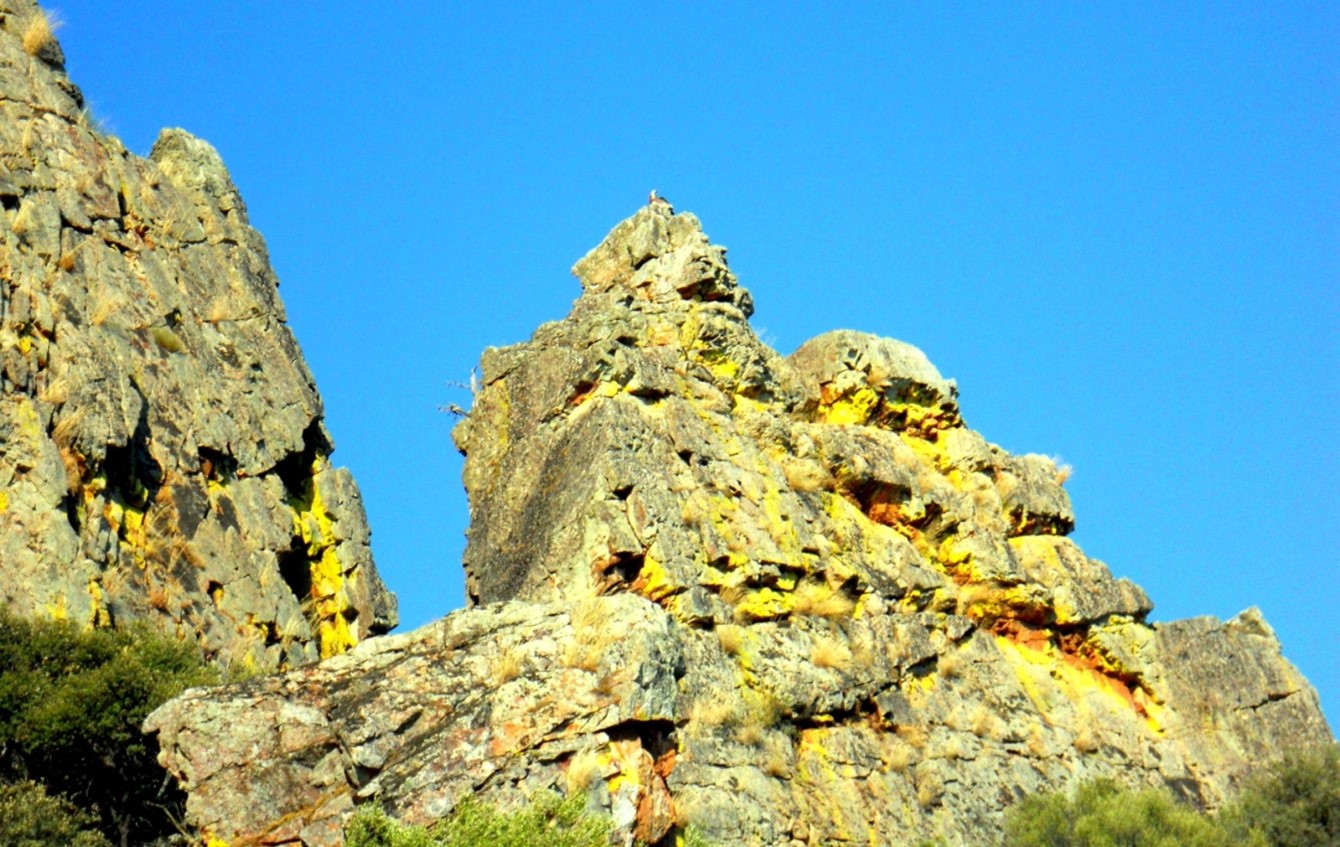
The Castle of El Muro, known during the Islamic period as Hisn Murus, constitutes one of the most singular historical and defensive enclaves in the Guadiana surroundings within the La Siberia extremeña region. Its remains are located in a steep setting dominated by quartzite cliffs and high natural escarpments from which a wide sector of the river valley can be visually controlled.
The fortress is situated in an area of great scenic and strategic value, near the present-day Sierra de la Higueruela and historically linked to ancient routes of passage and territorial control. Currently, the castle remains in a ruined state, integrated into an almost isolated natural environment accessible through traditional paths such as the so-called Senda del Muro.
HISTORY
Historical references place the origin of the castle in the Islamic period, forming part of the kura or territorial division of Mérida during the 10th century. Various authors and historical studies identify the enclave with the Hisn Murus mentioned by medieval Andalusian geographers.
The main function of the fortress would have been the strategic control of the Guadiana crossings and the inland routes of this mountainous area in the northeast of the current province of Badajoz.
Following the Christian advance over the territory, the castle appears cited in various medieval documents related to Alfonso Téllez de Meneses, conqueror and repopulator of extensive areas of La Siberia and Alburquerque. In 13th-century documents it is mentioned as “Murus” among the fortresses ceded to the Archdiocese of Toledo. The transfer was ratified through documentation dated 1226, in which Alfonso Téllez declared having received financial and grain-related compensation associated with these territorial transfers.
The enclave is later cited again in various privileges and royal documents of Fernando III, as well as in sales operations and territorial boundary agreements between the Council of Toledo and different military orders during the central decades of the 13th century.
In documents from 1246, the castle of “Muro” is expressly mentioned together with Acíjara and Alcocer as part of the territorial boundaries and agreements established in the Guadiana area.
During the following centuries, the castle progressively lost its defensive function and likely became depopulated during the 14th century, eventually being abandoned.
In more recent times, the area continued to preserve the traditional name Sierra del Muro, keeping alive the historical memory of the enclave through local toponymy and ancient access routes from Helechosa de los Montes.
HISTORICAL-ARTISTIC DESCRIPTION
The castle corresponds to a type of medieval military fortification adapted to the rugged characteristics of the terrain. The construction directly takes advantage of the natural quartzite escarpments and ridges as defensive elements.
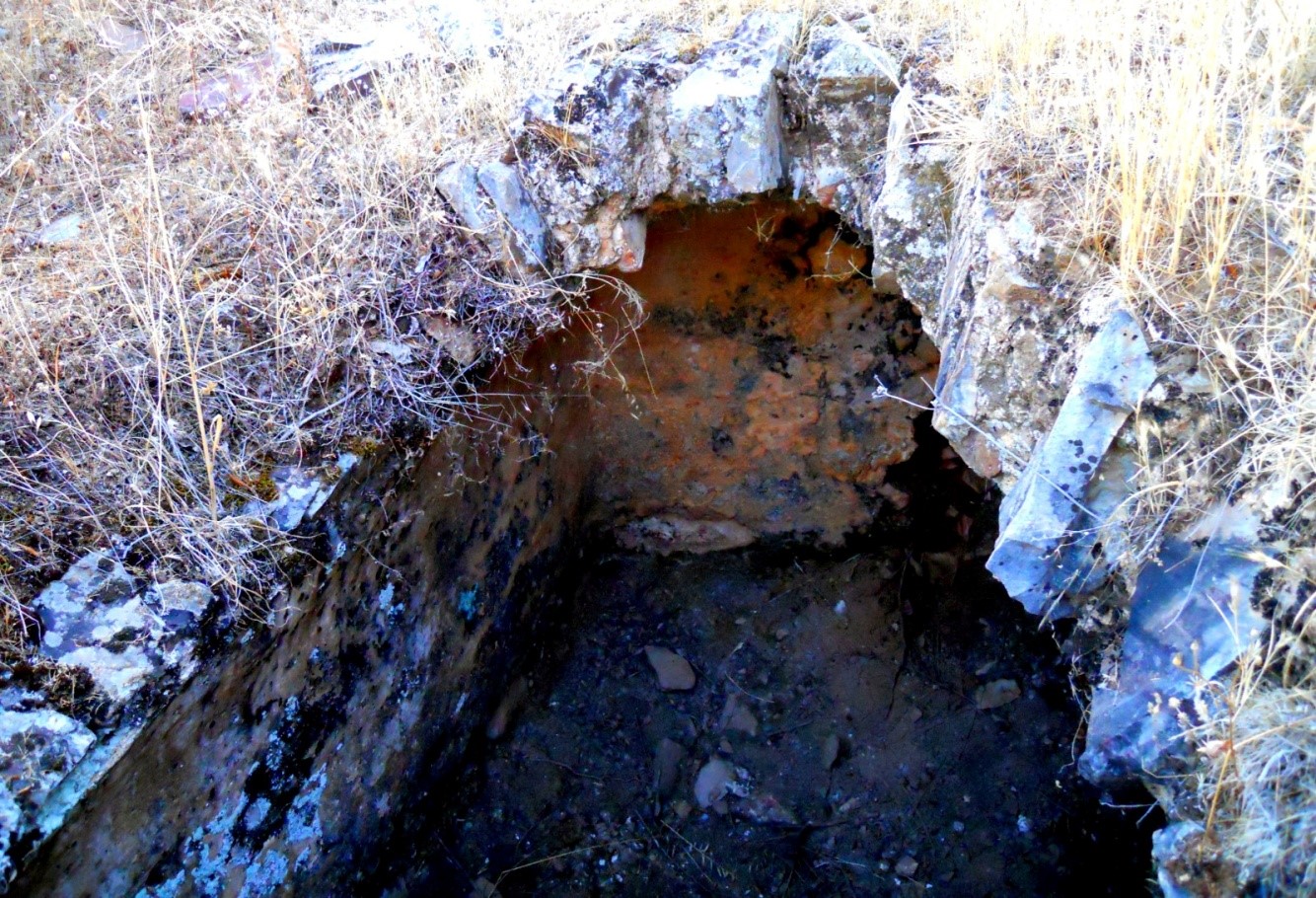
The visible remains correspond mainly to masonry structures, foundations, and fragments of ancient defensive walls partially integrated into the rock.
The enclave presents a simple structure characteristic of surveillance and territorial control fortifications, more linked to strategic functions than to large urban or residential developments.
The dominant position of the hill allows control over extensive sectors of the Guadiana valley and the natural passes existing between the mountain ranges of the region.
Various archaeological findings and historical remains associated with the prolonged occupation of the territory have also been documented around the castle, reinforcing the heritage interest of the site.
STATE OF CONSERVATION
The castle is currently in a state of progressive ruin, with only partial remains of walls and defensive structures preserved.
Vegetation, the isolation of the enclave, and the passage of time have contributed to the deterioration of the visible structures, although the site maintains remarkable scenic and historical value.
RELEVANT FIGURES RELATED TO THE POI
The enclave appears closely linked to Alfonso Téllez de Meneses, a key figure in the conquest and territorial reorganization of La Siberia during the 13th century.
Likewise, the castle maintains a historical relationship with the Archdiocese of Toledo, the Council of Toledo, and various military orders involved in the territorial control of the Guadiana during the Middle Ages.
From the historiographical field, the research work of Félix Hernández Giménez also stands out, as author of studies on the kura of Mérida and the Islamic fortifications of the territory.
MOVABLE HERITAGE
No significant movable assets directly associated with the castle are preserved, although the enclave has yielded various archaeological remains related to the successive historical occupations of the site.
INTANGIBLE HERITAGE
The Castillo del Muro forms part of the historical and landscape memory of Helechosa de los Montes and the entire La Siberia region.
Oral tradition, the preservation of historical place names such as Sierra del Muro, and the permanence of ancient routes associated with the enclave have contributed to keeping the historical identity of the place alive over time.
The castle also continues to be linked to the collective imagination associated with ancient frontier fortresses and the medieval past of the Guadiana territory.