DESCRIPTION
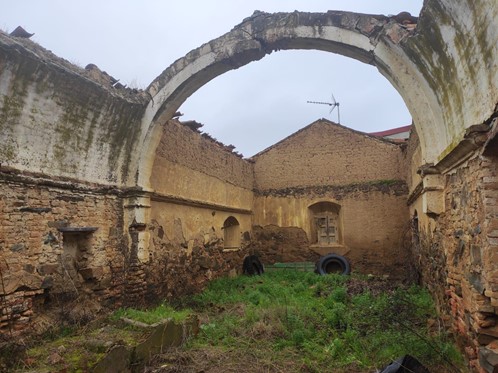
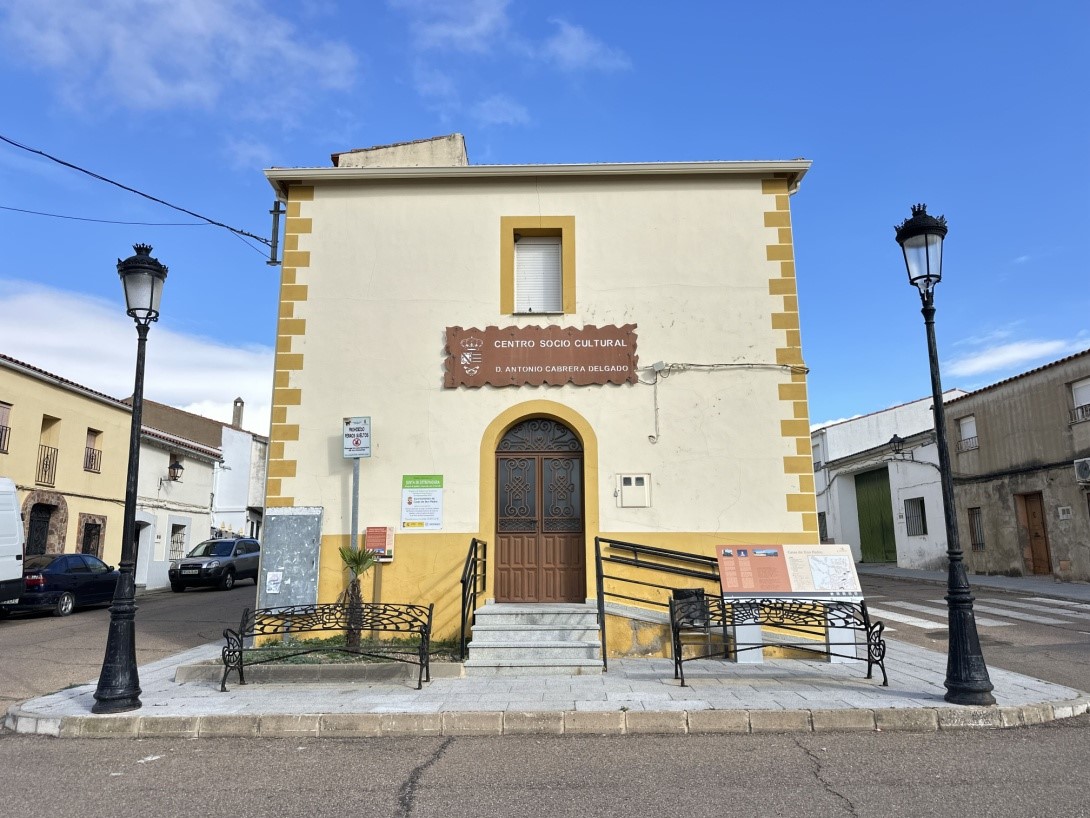
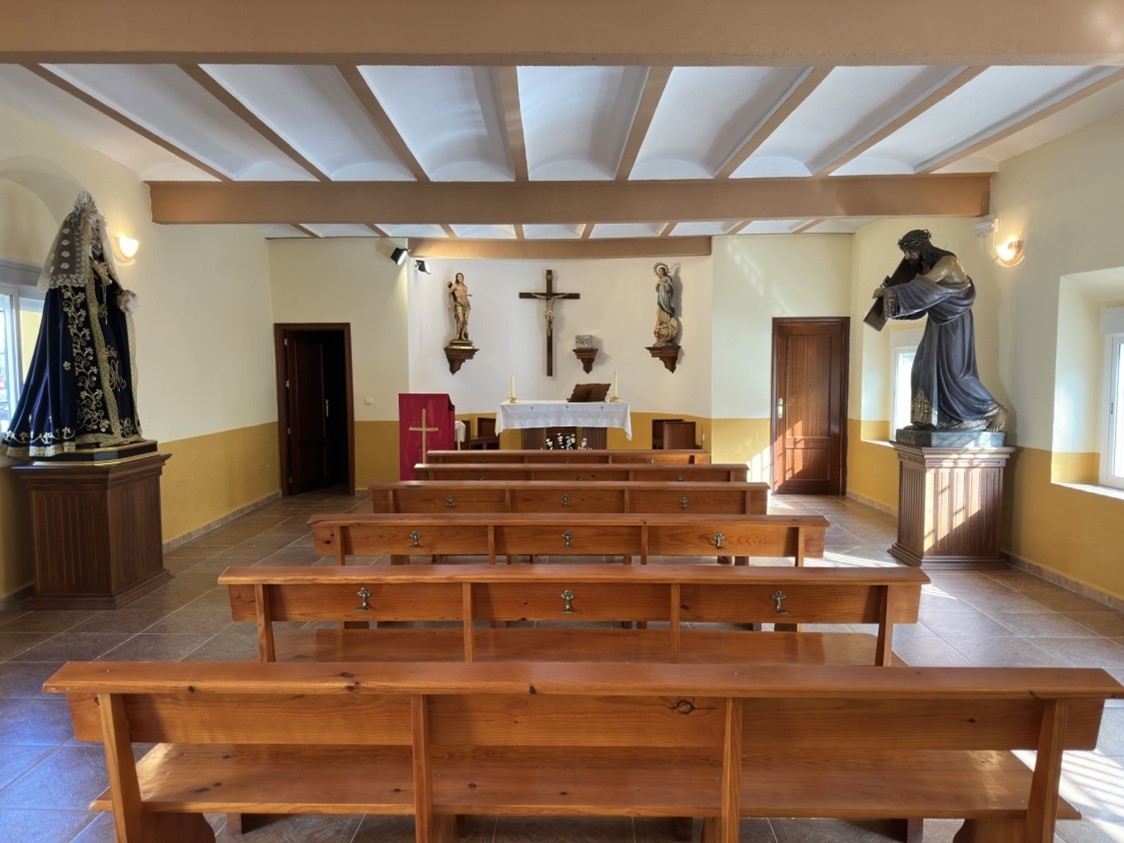
Ontheonehand, these are theremainsoftheformer Ermita de San Sebastián, located in theurban centre of Casas de Don Pedro, currently in a stateof ruin and considered a significantelementofthemunicipality’slosthistoricalheritage. Ontheotherhand, thereis a chapel towhichtheimageof San Sebastián wastransferred, located in a buildingusedforotheractivities.
HISTORY
The Ermita de San Sebastián formedpartofthegroupofreligiousbuildingsthat once existed in Casas de Don Pedro, at a time whenthetownhadseveralhermitagesdedicatedtoworship, bothwithintheurbanarea and in more distantlocations. Documentaryreferences place itsreligiousactivity at least in the mid-17th century, suggestinganearlierorigin. In 1791, accordingtohistoricaldocumentation, thehermitagehousedtheimageof San Sebastián, towhomthe local residentspaiddevotion in processionon 20 January. Thisdevotionwaslinkedtothebelief in hisprotectionagainstepidemics, especiallythe plague, whichexplainshischoice as patronsaintofthe place at that time.
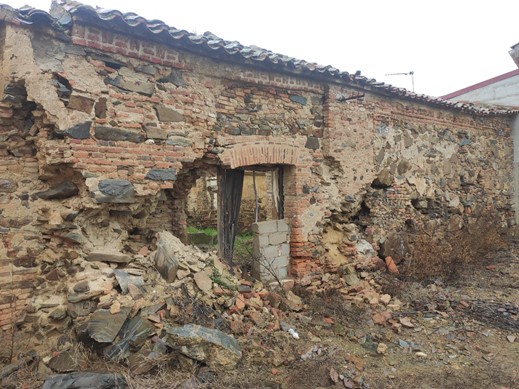
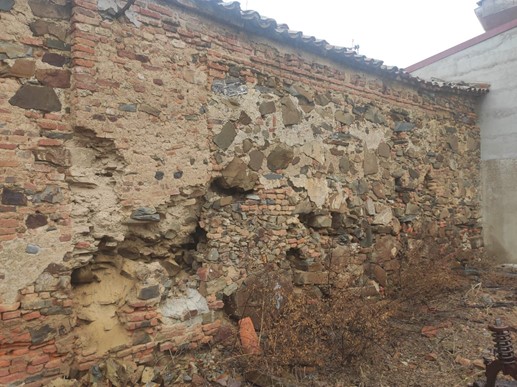
Over time, thehermitagelostitsreligiousfunction and thebuildingwasadaptedto new uses, eventuallyhousingthetown’sfirstelectricalgenerator. Thistransformation led toits popular designation as the “electricityfactory”, reflecting a significantchange in thefunctionofthespace, fromreligioustotechnical use. Eventually, the gradual abandonmentofthebuilding led toitscurrentruinedcondition, withonlystructuralremainspreservedthatallowitsformerconfigurationto be identified.
HISTORICAL AND ARTISTIC DESCRIPTION
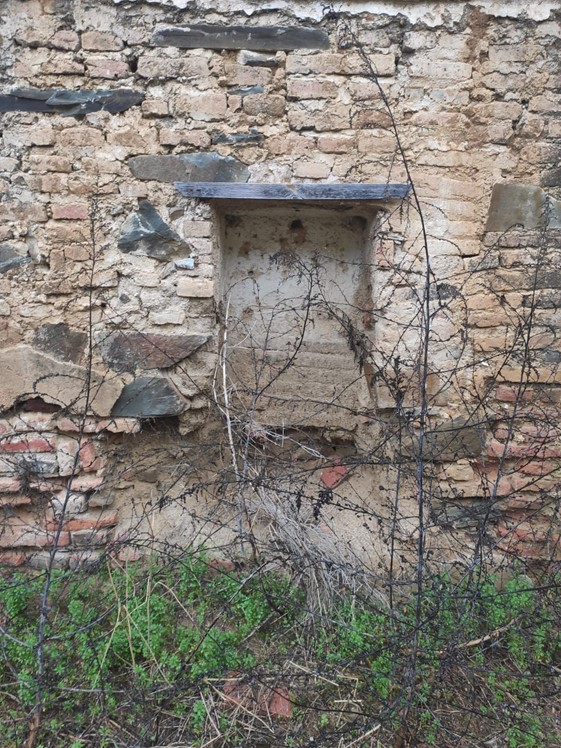
Thehermitagefollowed a simple single-nave typologywith a rectangular chancel, builtwithtraditionalmaterialssuch as slatemasonry and brick, characteristicof local architecture. Today, onlyremainsofthewalls and partofthevault are preserved, allowingits original structureto be inferred, althoughwithoutsignificant decorative elements. Itscharacterwasfundamentallyfunctional, in line withother rural orsemi-urbanhermitages.
Theinterestofthe ensemble lay not so much in itsartisticvalue as in itsabilitytodocumenttheevolutionofthe use ofthespace, fromitsinitialreligiousfunctiontoitslaterreuse as technicalinfrastructurelinkedtothemunicipality’selectrification.
After thedisappearanceofthehermitage, theimageof San Sebastián was moved elsewhere and iscurrentlyhoused in an austere chapel locatedonpartofthegroundfloorofthe Centro Socio Cultural Antonio Cabrera Delgado. The chapel isaccessedfromthesideofthebuildingthrough a simple doorway. Accordingtotheinscriptionontheentrancedoor, the chapel has functioned as suchsince 20 January 2014.
RELEVANT FIGURES RELATED TO THE POI
Theformerhermitageisdedicatedto San Sebastián, a saintofgreatrelevance in Christian tradition, especiallyassociatedwithprotectionagainstepidemics and diseases. In thehistoricalcontextof Casas de Don Pedro, his figure acquired particular importance as he wasconsideredthe protector ofthemunicipalityagainstthe plague, which led tohisproclamation as patronsaint at certainhistoricalmoments and consolidatedhisworshipamongthepopulation.
The new chapel islocated in thesamebuilding as the Centro Socio Cultural Antonio Cabrera Delgado. Antonio Cabrera Delgado, born in Casas de Don Pedro, was a priest and canon ofthePrimatialCathedralof Toledo, and died in 2022 in Talavera de la Reina.
MOVABLE HERITAGE
No movableelementsassociatedwiththeformerhermitagehavebeenpreservedduetotheruinedconditionofthebuilding and thelossofits original religious use.
INTANGIBLE HERITAGE
Thecollectivememorylinkedtodevotionto San Sebastián and theformerprocessionsheld in hishonour, as well as thepersistenceofthetoponym “El Santo” todesignatetheneighbourhoodwherethehermitagewaslocated, constitutesignificantelementsofthemunicipality’s intangible heritage.