DESCRIPTION
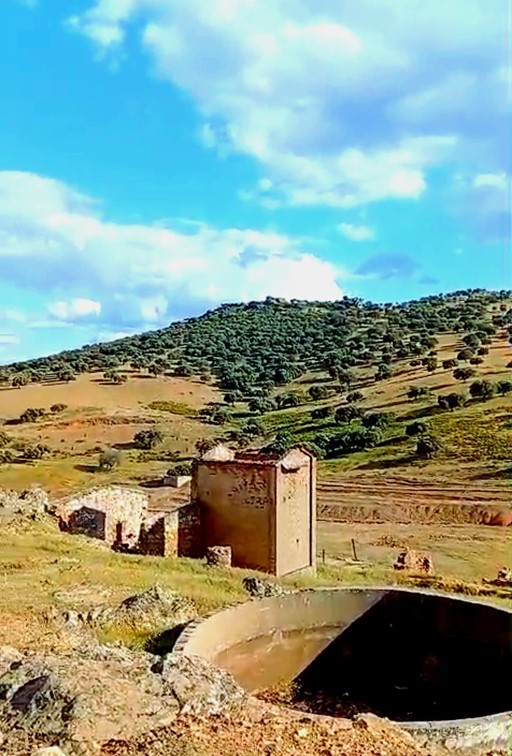
As archaeological heritage and a Roman site, the mining-metallurgical exploitation and Roman-period enclave of La Minilla, located within the municipal boundaries of Garlitos, stands out. Archaeological remains forming part of the historical heritage of the comarca of La Siberia are located at this site, preserving evidence related to the extraction and transformation of minerals, especially argentiferous lead intended for silver production.
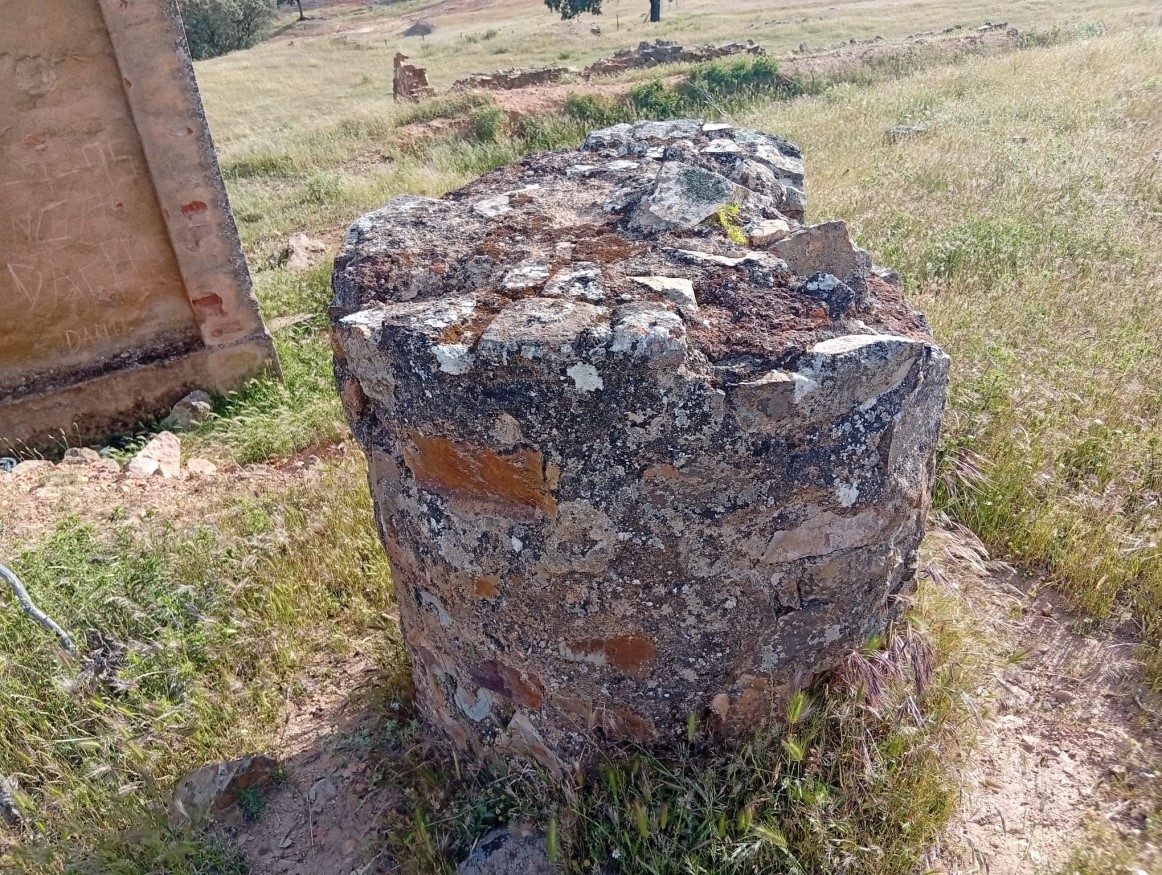
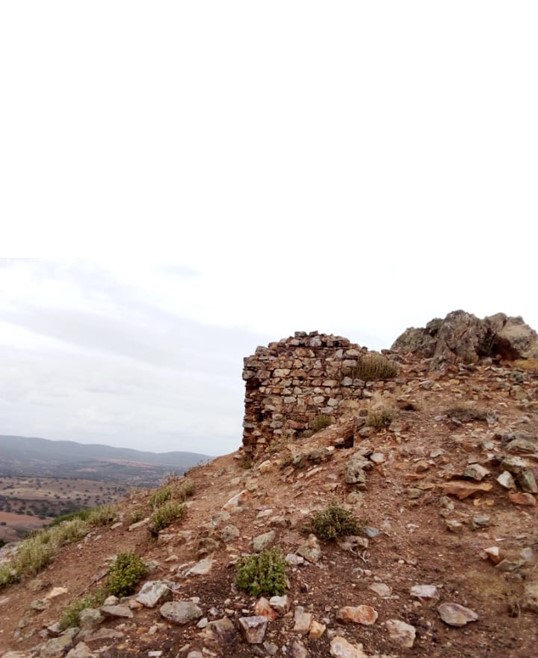
The preserved vestiges make it possible to identify the existence of extractive and metallurgical activity in this space, where remains of slag heaps, ancient mining works and structures associated with the exploitation of the subsoil can still be found.
The historical importance of the enclave is related both to its archaeological value and to the exploitation of the mineral resources existing in this northeastern area of the province of Badajoz during the Roman period.
HISTORY
The archaeological findings documented at La Minilla indicate a phase of occupation and activity of particular relevance around the 2nd century BC, a period during which the territory experienced significant Roman presence linked to the control of strategic resources and inland communication routes.
Among the materials discovered are coins from Hispanic mints, ceramic fragments and Republican-type amphorae, as well as different elements related to mining and metallurgical activity.
Archaeological documentation has also pointed to the presence of materials of possible military character, including sling projectiles, lead weights and oil lamps, elements that demonstrate the strategic relevance this enclave may have had during the processes of occupation and territorial control developed in the Republican period. The ensemble forms part of the extensive Roman heritage preserved in the comarca of La Siberia extremeña, where mining constituted one of the most significant historical economic activities. Studies on the Roman legacy in this territory point to the importance of the extraction and transformation of minerals such as copper, iron and lead/silver in different enclaves of the comarca.
HISTORICAL AND ARTISTIC DESCRIPTION
The site preserves remains related to ancient extractive and metallurgical activities, visible mainly through slag heaps and structures associated with mining exploitation. The recovered archaeological materials allow the enclave to be chronologically placed in the Roman Republican period. Among them are fragments of amphorae, Hispanic coins and various objects linked both to economic activity and to the supply and occupation of the site. La Minilla constitutes one of the archaeological testimonies related to the historical exploitation of mining resources in the comarca of La Siberia, preserving evidence of intensive use of the territory during the Roman period.
STATE OF CONSERVATION
The enclave preserves scattered archaeological remains and partially visible structures integrated into the natural landscape of the area. The conservation of the site fundamentally depends on the protection and preservation of the environment where the historical vestiges are located.
RELEVANT FIGURES RELATED TO THE POI
No specific historical figures directly linked to the La Minilla site are documented. The enclave is generally associated with the communities and groups linked to Roman-period mining and metallurgical exploitation in the territory of Garlitos.
MOVABLE HERITAGE
Among the materials associated with the enclave are coins from Hispanic mints, ceramic fragments, Republican-type amphorae, sling projectiles, lead weights, oil lamps and other remains linked to extractive and metallurgical activity. These elements constitute the principal material testimony of the Roman occupation of the site and its relationship with the exploitation of argentiferous lead.
INTANGIBLE HERITAGE
La Minilla forms part of the historical and archaeological memory of Garlitos, linked to the municipality’s Roman past and to the traditional exploitation of the territory’s mineral resources. The enclave contributes to reinforcing the historical interpretation of La Siberia as a comarca with documented Roman presence and with sites of interest associated with ancient mining.