DESCRIPTION
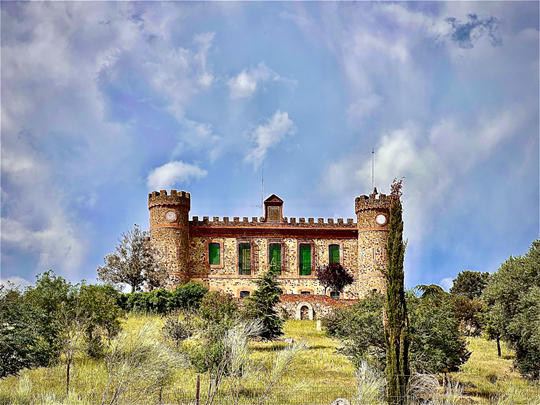
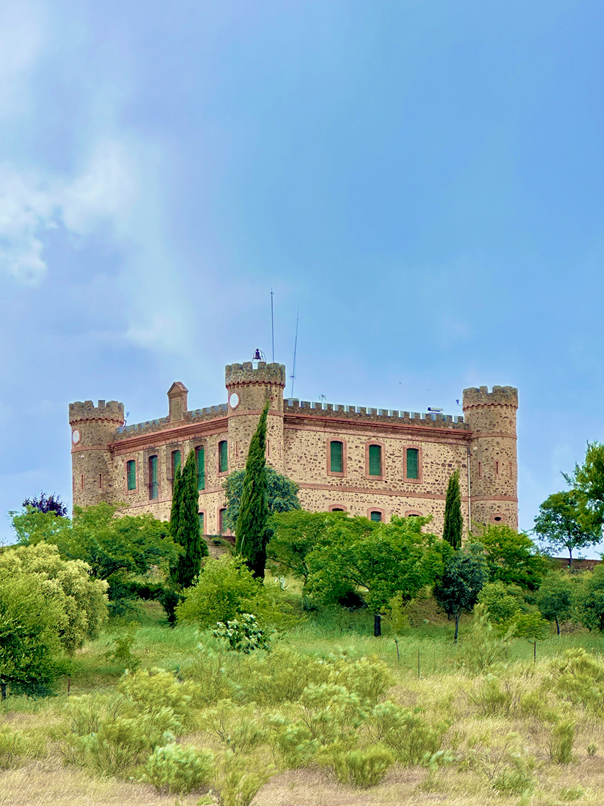
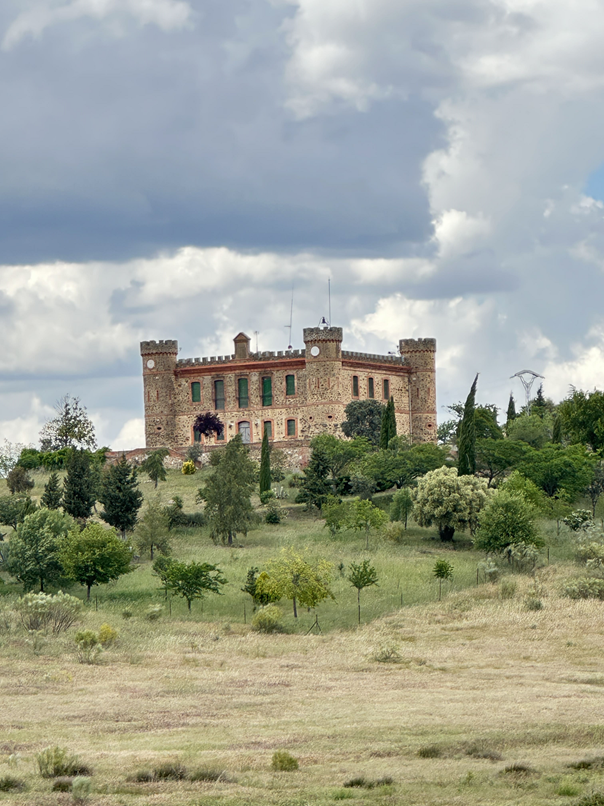
In the heart of the Cijara dehesa, in a commanding setting overlooking the Guadiana valley and the natural surroundings of La Siberia in Extremadura, stands the singular Palacio de Cijara, also popularly known as El Castillejo. It is a 19th-century historicist construction conceived as a manor residence and built with the appearance of a medieval fortress, making it one of the most striking examples of rural palatial architecture in the entire province of Badajoz.
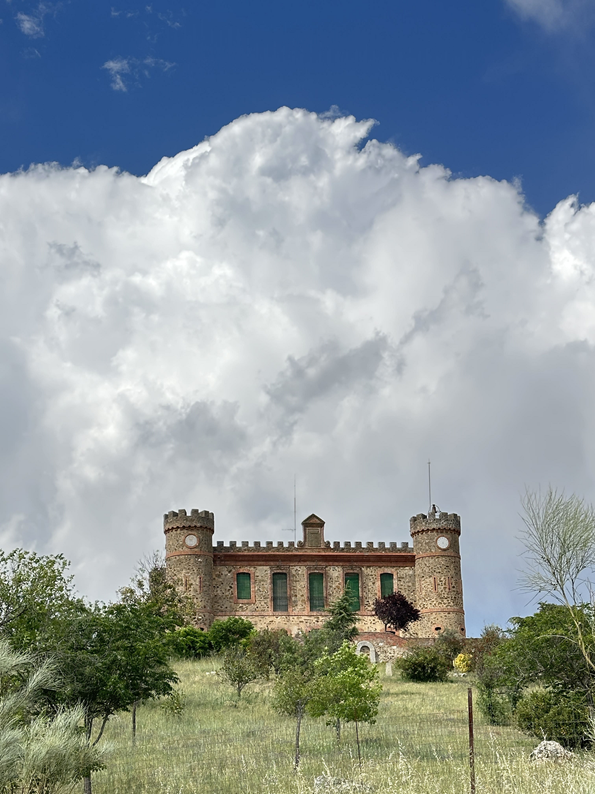
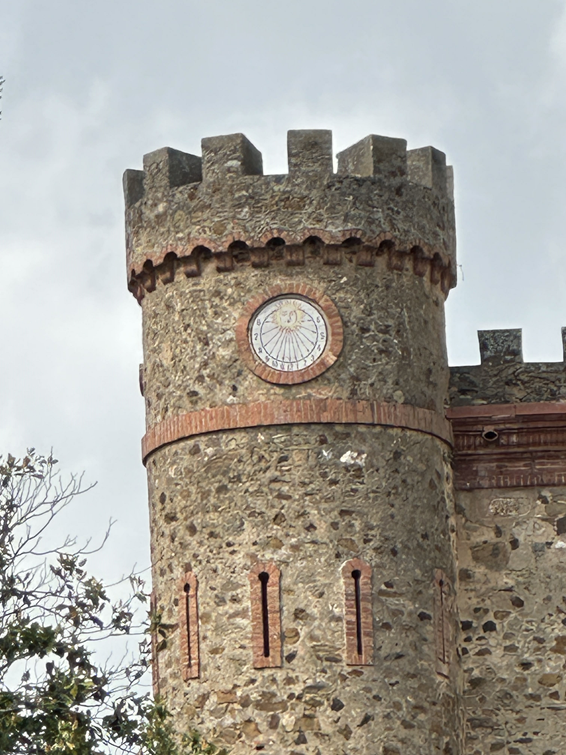
The privately owned building presents a powerful defensive image inspired by medieval Castilian models, with a rectangular floor plan reinforced by tall circular towers at its corners. Its silhouette still dominates the dehesa landscape on the left bank of the Guadiana, making it one of the most characteristic heritage features of the Cijara area.
Although the present construction clearly belongs to the 19th century, various authors maintain that the palace may have been built over earlier remains of a military or residential nature linked to ancient medieval fortifications and even to structures of Islamic origin. Likewise, different studies connect this place with the former Casa de la Golosilla, an earlier manor building historically linked to the territory of the Sotomayor.
HISTORY
The history of the Palacio de Cijara is closely linked to the evolution of the large rural estates of La Siberia and to the heritage transformations that followed the crisis of several major Spanish noble houses during the 19th century. After the bankruptcy and decline of the Ducal House of Osuna in the final decades of the 19th century, the Count of Villapadierna acquired important rural properties in Extremadura, including the Cijara dehesa, located within the municipality of Herrera del Duque. Various sources place this acquisition around 1873, the approximate date when construction of the present palace is believed to have begun.
The building was conceived as a residential fortress-palace following the historicist taste characteristic of the period. This architectural movement sought to recover idealised medieval forms, especially castles and noble constructions, as symbols of prestige and territorial power.
Some authors maintain that the Palacio de Cijara occupies the site of an ancient medieval fortification, possibly related to royal or Islamic defensive structures. Other researchers consider it more prudent to refer only to the existence of ancient remains and earlier construction vestiges, without being able to definitively confirm the presence of a fully developed medieval castle.
There are also historical references to an ancient construction known as La Golosilla, linked to the territory of the Sotomayor and documented as early as the 18th century. According to some interpretations, the present palace may have been built near that former residence or even partially inspired by it. Other theories maintain that the Casa de la Golosilla and the Palacio de Cijara were separate buildings, although related within the same territorial area.
HISTORICAL-ARTISTIC DESCRIPTION
The Palacio de Cijara constitutes a magnificent example of historicist architecture applied to the rural setting of Extremadura. The complex presents a powerful rectangular structure reinforced by high circular towers at the corners, giving it a clearly militarised appearance despite being a contemporary manor residence. This type of construction reflects the Romantic and historicist taste of the 19th century, strongly influenced by the idealised recovery of the medieval past.
The building was erected using solid construction solutions and a monumental composition designed to visually dominate the surrounding landscape. Various sources indicate that the architectural model used in Cijara was later reproduced by the owners in other palaces built in Andalucía and Zamora.
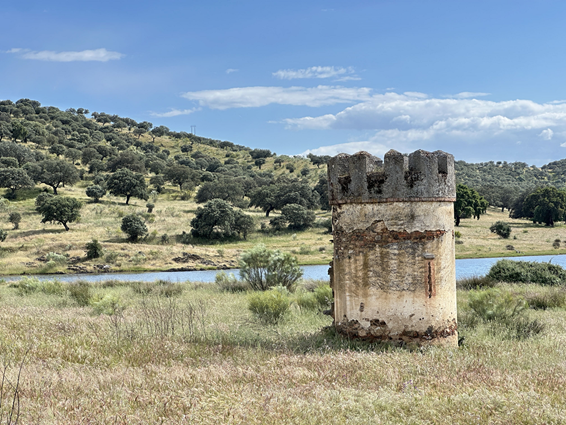
Alongside the main building there were also other secondary elements associated with the enclosure, including small complementary towers and possible outer boundary walls that enhanced the defensive and scenic character of the complex. Some studies also point to the existence of wall vestiges and earlier remains in the immediate surroundings of the palace, a circumstance that supports the hypothesis of previous historical occupation of the site.
LA GOLOSILLA AND THE SOTOMAYOR
One of the most interesting and complex aspects of the site is its relationship with the former Casa de la Golosilla. Various authors indicate that before the present Palacio de Cijara there was a manor residence in this territory linked to the Sotomayor, a powerful noble family that exerted enormous influence over much of La Siberia and the Belalcázar region.
The so-called Golosilla is cited as an earlier construction located on the estate and related to rural holdings and leisure or territorial-control residences. Some researchers consider that the 19th-century palace sought to symbolically recover the memory of that former manor house. Others, however, believe that the present building merely reused the general location of the site without maintaining direct architectural continuity with the original construction. In any case, the relationship between the Palacio de Cijara, the former Golosilla and the historic territories of the Sotomayor constitutes one of the most relevant elements for understanding the historical evolution of this great dehesa of La Siberia.
SETTING AND LANDSCAPE
The palace is integrated into a landscape of extraordinary environmental value, dominated by dehesas, Mediterranean scrubland and the waters of the Guadiana. Its location on elevated ground reinforces its monumental and strategic character, allowing broad visual control over the surroundings. This location also explains why some authors have suggested the possible existence of earlier defensive structures on the site.
Today, the complex remains one of the most singular manor constructions in the surroundings of Herrera del Duque and one of the most outstanding examples of rural historicist architecture in Baja Extremadura.
STATE OF CONSERVATION
The Palacio de Cijara is privately owned and has undergone various transformations over time. Although the complex maintains its powerful monumental exterior image, different elements of the original enclosure have disappeared or have been modified. During the war it also served as a concentration camp for prisoners.
Despite this, the building continues to preserve much of its landscape, architectural and historical value, constituting a heritage landmark within the region of La Siberia.
The palace can be reached on foot, by bicycle or by car after following a stone track for several kilometres. The property can be viewed from the outside, but access to the interior is not permitted because it is a private building closed to public visits.